
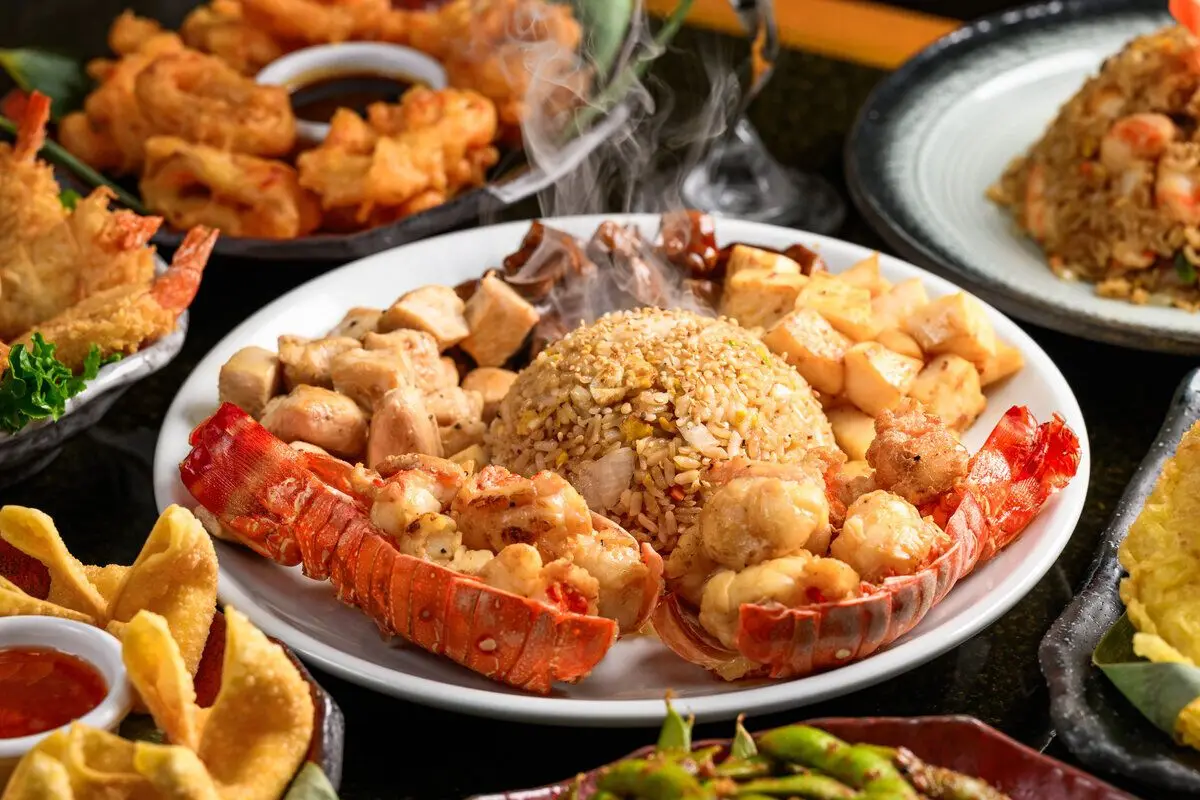
Most people don't realize how much gluten is hiding in Japanese food.Soy sauce is wheat-based. Teriyaki glaze is wheat-based. Tempura is fried in wheat batter. Imitation crab in California rolls usually has wheat starch. Eel sauce contains soy sauce, which contains wheat. The list goes on. So when a guest at our hibachi table says “I'm gluten-free,” we take it seriously — because half the menu has a gluten landmine somewhere on it.
This is our working guide to eating gluten-free at Jinbeh. We've been hosting celiac families, gluten-sensitive guests, and folks with diagnosed wheat allergies at our Lewisville location since 1988. The good news: Japanese food is actually one of the easier Asian categories for gluten-free diners. Rice is the backbone. Raw fish is naturally clean. And tamari (gluten-free soy sauce) is a well-known substitute that most Japanese cooks already know how to work with.
“Tell us when you sit down. Don't wait until the chef is already cooking. We need 30 seconds to swap the soy sauce, wipe the grill, and plan the cook order. That's the whole secret.”
— The Jinbeh FamilyThe hibachi safety map
Hibachi looks risky for gluten-free guests because everything cooks on one shared iron griddle. Here's what actually matters and what doesn't.
Naturally gluten-free at the hibachi grill
- All proteins by themselves — steak, chicken, shrimp, scallops, salmon, lobster, filet mignon
- Vegetables — onion, zucchini, mushrooms, broccoli, bean sprouts
- Plain white steamed rice (ask for steamed instead of fried rice)
- Soup and salad — the ginger salad dressing is gluten-free; the clear broth soup is gluten-free if we confirm the miso paste brand that week
Skip or swap these
- Standard soy sauce — swap to tamari (we keep it behind the bar at our Lewisville location)
- Teriyaki glaze — ask the chef to skip it. The glaze is soy-based and often contains wheat starch
- Fried rice — tossed with regular soy sauce on a shared grill. Get steamed rice instead
- Noodles — standard hibachi noodles are wheat-based. We can't safely substitute, so plan around them
- Tempura — wheat batter. Always.
Insider Tip
Sushi: easier than hibachi, with caveats
Pure nigiri and sashimi are naturally gluten-free — raw fish on rice, with rice vinegar. The complications start with sauces and fillings.
Safe sushi at Jinbeh
- All nigiri (salmon, tuna, yellowtail, scallop, shrimp) with tamari instead of soy sauce
- All sashimi platters — no rice, just sliced raw fish
- Hand rolls without eel sauce or spicy mayo
- Plain spicy tuna roll if we confirm the spicy mayo is gluten-free that week (most brands are; some use wheat-based thickeners)
Skip or ask about
- Eel (unagi) — the glaze always contains soy sauce
- Imitation crab — in California rolls, dynamite rolls. Real crab is fine, but ask first
- Eel sauce drizzle — on Dragon Roll, Caterpillar Roll, and most house specialty rolls. Ask the chef to hold it
- Tempura rolls — Spider Roll, Shrimp Tempura Roll. The fried element is wheat-battered
- Spicy mayo and ponzu — usually safe but brand-dependent. Always ask
Drinks: where gluten can ambush you
Sake is rice-fermented and gluten-free. Japanese beer (Sapporo, Asahi, Kirin) is usually barley-based and not safe for celiac diners. Whiskey is technically distilled below detectable gluten levels, but strict celiac protocols often avoid it. Wine and most cocktails on our menu are gluten-free.
If you're celiac, not just sensitive
We can serve celiac guests carefully, but we can't legally call any dish “100% gluten-free” in a kitchen that handles wheat. If your reaction is severe, here's our usual protocol for celiac tables:
- Call the restaurant ahead of your reservation. Ask for the manager. We flag your reservation in our system
- When you arrive, remind your server. They tell the kitchen and the hibachi chef before any food fires
- Chef wipes the griddle, uses a fresh oil bottle, fresh spatula, and cooks your food first
- Sushi chef uses a clean cutting board section, a fresh knife, and skips eel sauce on any roll heading to your table
- Manager confirms with you that the dish you ordered matches what arrives
How Jinbeh compares to other Asian gluten-free options in DFW
Honest assessment: Japanese is the easiest Asian cuisine to eat gluten-free, and within Japanese, hibachi + sushi spots tend to be safer than ramen shops (wheat noodles) or izakaya (lots of fried items). Chinese, Korean, and Thai restaurants use soy sauce in almost every base sauce, which makes total gluten avoidance much harder. If you're cycling through “what Asian restaurant can my gluten-free family actually eat at?” — hibachi is usually the right answer, and Jinbeh has been doing it the way that works for almost four decades.
Frequently asked questions
Does Jinbeh offer gluten-free hibachi?
Jinbeh's hibachi can be made gluten-free at our Lewisville location. The proteins (steak, chicken, shrimp, scallops, salmon, lobster, vegetables) are naturally gluten-free; the standard issue is soy sauce, which contains wheat. Ask your chef to use tamari instead, hold the teriyaki glaze (which contains soy sauce and sometimes wheat starch), and ask to cook your food first on a clean section of the griddle. Skip the fried rice if you're strict — standard fried rice is cooked with regular soy sauce on the same grill.
Is sushi at Jinbeh gluten-free?
Most plain nigiri and sashimi at Jinbeh are naturally gluten-free — raw fish, rice, and rice vinegar with no wheat. Avoid the eel (the unagi sauce contains wheat), surimi/imitation crab (in some California rolls and dynamite rolls), tempura items, and anything with eel sauce, spicy mayo, or ponzu drizzle unless we confirm the brand we use is gluten-free that week. Bring your own tamari packet or ask for ours; we keep a bottle behind the sushi bar.
Does Jinbeh have gluten-free soy sauce (tamari)?
Yes. Jinbeh Lewisville keeps gluten-free tamari for guests who request it. Mention it when you sit down so your server can flag your table to the kitchen and the hibachi chef. We won't charge you extra for it.
How does Jinbeh prevent cross-contamination on the hibachi grill?
Hibachi is a shared griddle, so total separation isn't realistic — but we can come close. When you tell your chef you're eating gluten-free, they'll wipe down a clean section, cook your proteins and vegetables first before anyone else's food, swap to a clean spatula and oil bottle, and skip the standard soy sauce squirt. If you're celiac and need a fully isolated cook surface, our private dining setup can sometimes accommodate that — call ahead.
What gluten-free Japanese dishes does Jinbeh recommend?
Our most-ordered gluten-free combinations: hibachi filet mignon with vegetables and a side salad (skip the dressing or ask for oil and vinegar), salmon or tuna sashimi, a plain spicy tuna roll without eel sauce, edamame with sea salt, and miso soup (ask us to confirm — most miso pastes are naturally gluten-free but a few brands include barley). For drinks, all of our sake is gluten-free; certain Japanese beers contain wheat, so stick with sake, wine, or our cocktails (most are gluten-free; check on whiskey-based drinks).
Can I bring a celiac child to Jinbeh?
Yes — we host celiac families often, especially at hibachi birthday parties. Tell us when you reserve. Many families pre-coordinate with the chef so the kid's food gets cooked first on a clean grill section, with tamari instead of soy sauce, and chef avoids the teriyaki glaze, panko, and tempura proteins. Hibachi chicken and shrimp are usually the easiest combo for kids.
Does Jinbeh accommodate other food allergies?
Yes. Jinbeh has accommodated peanut, tree nut, dairy, egg, shellfish, soy, and sesame allergies — sometimes all on the same table. Always tell your server and chef before you order so we can plan the cook order and surface prep. For severe allergies, calling ahead helps us flag the reservation and brief the team before you arrive.
What about Asian-style gluten-free food beyond Japanese?
Most Asian cuisines lean heavily on soy sauce, which means gluten. Japanese cuisine — and especially hibachi, sushi, and sashimi — is one of the easier Asian categories to eat gluten-free, since rice is the base and tamari is widely accepted as a substitute. Compared to Chinese, Korean, or Thai restaurants in the DFW area, a hibachi-and-sushi spot like Jinbeh tends to be the safer pick for gluten-sensitive diners.
Reserve gluten-free at Jinbeh
Mention “gluten-free” when you reserve and we'll flag the table. The chef and server will be ready before you sit down.