
Hibachi Calories: Chicken, Steak, Shrimp & Fried Rice Chart
Hibachi chicken runs about 250–300 calories, shrimp 150–200 and steak 400–450 per serving; fried rice adds 330–390. Here is the full teppanyaki calorie chart, plus the swaps that keep a hibachi dinner near 400 calories.
Key Takeaway
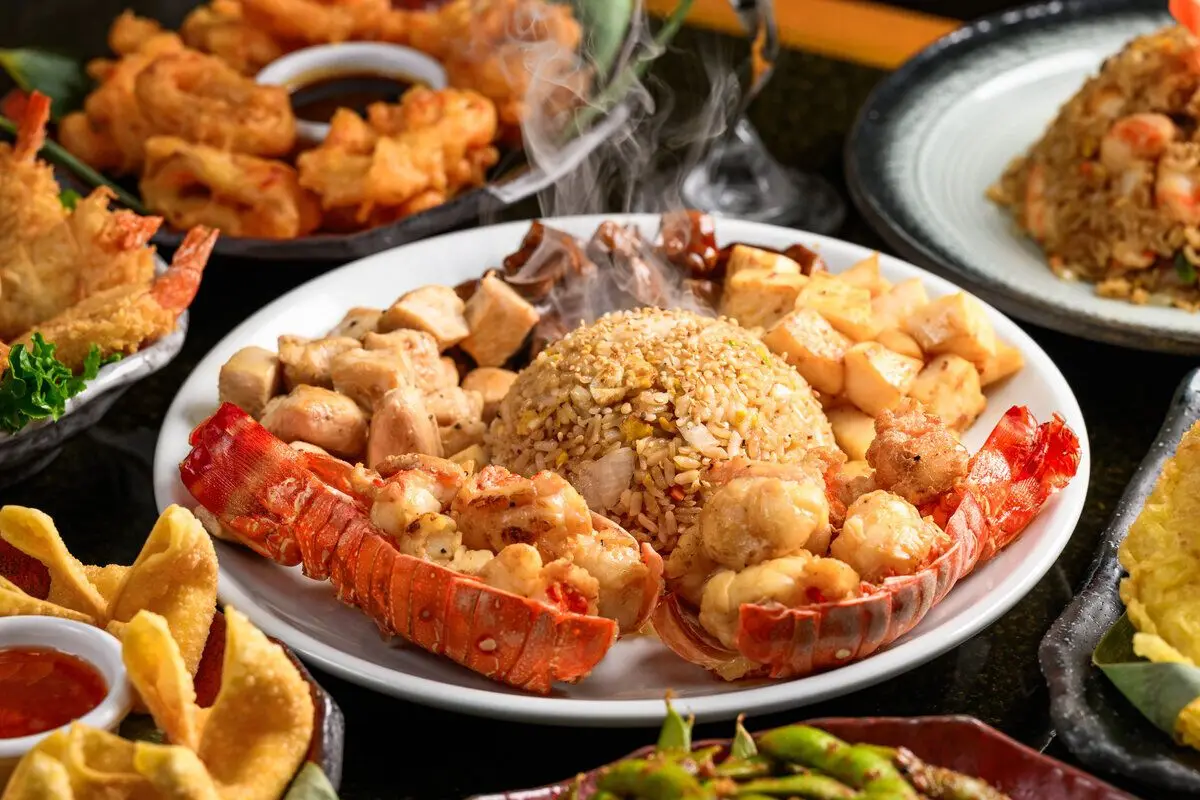
Hibachi protein calories range from 150 cal (shrimp) to 450 cal (steak). Swap fried rice for steamed rice to save ~200 calories, load up on vegetables (50–70 cal), and request sauces on the side. A lean hibachi meal can total just 350–400 calories.
You love dining out. The social experience, the exceptional food, the entertainment. But you're also conscious about what you eat and how it fits into your health goals. Good news: you don't have to choose between these priorities.
🍚 The Hidden Vegetables in Jinbeh's Fried Rice
Here's a nutrition secret from Jinbeh's kitchen: the fried rice actually contains finely chopped scallion, onion, and carrots — but they're cut so small you can't see them. This is deliberate. The restaurant learned early on that customers (especially kids) don't want visible vegetables in their rice. The chopping technique is so refined that the nutrition is there without the visual “objection.”
Understanding the nutritional content of your favorite dishes is the key to enjoying restaurant meals mindfully. At Jinbeh, our hibachi vs teppanyaki cooking methods are naturally well-suited to health-conscious dining. High-temperature grilling requires minimal added fats, ingredients are fresh and visible, and you control portion sizes and sauces.
This guide breaks down the calories and nutritional content of popular Jinbeh hibachi dishes, explains the health benefits of different proteins and sides, and provides practical strategies for enjoying the hibachi dining experience while meeting your dietary goals.
Why Hibachi Cooking Can Be Healthy
Unlike many restaurant preparation methods that rely on oil, butter, or heavy creams, hibachi cooking has several nutritional advantages:
Minimal Added Fats
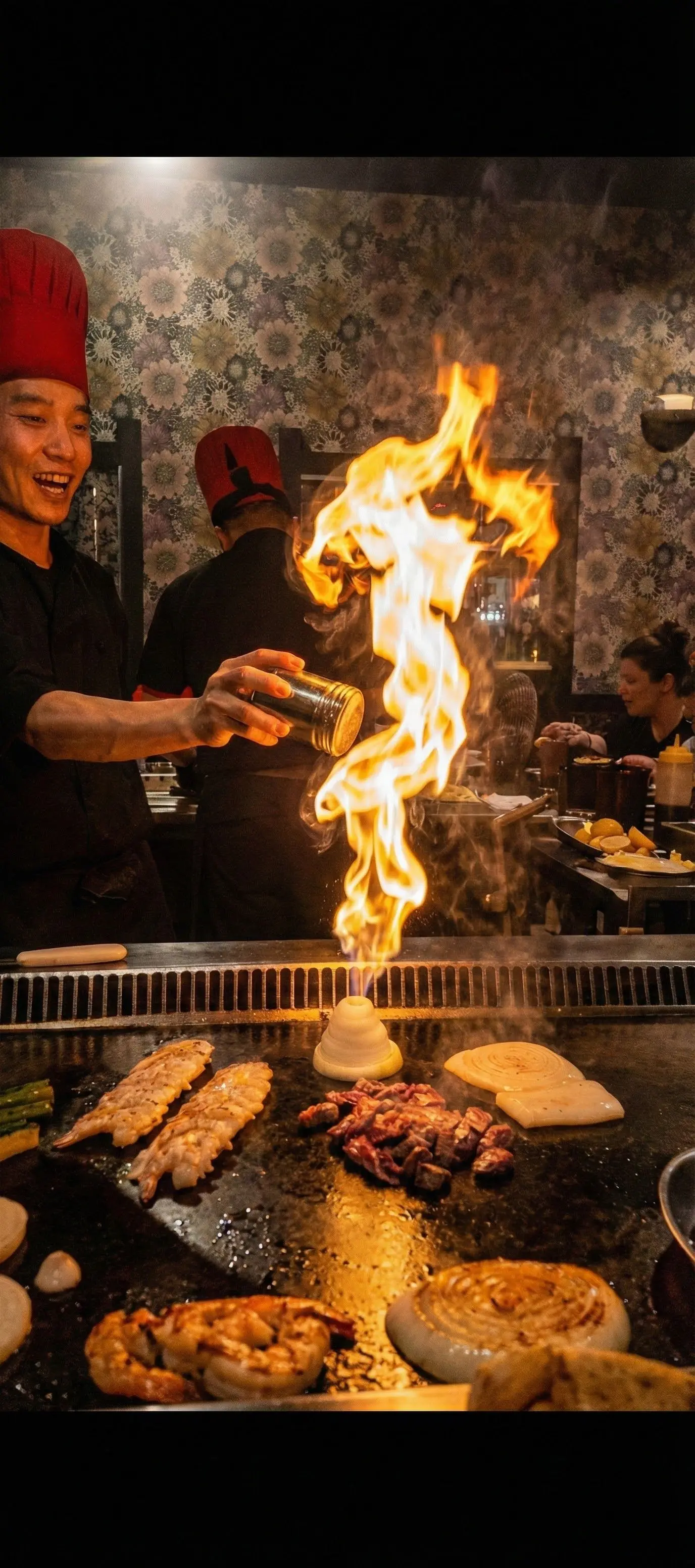
Hibachi grills operate at high temperatures (around 400°F). This intense heat cooks proteins and vegetables quickly with minimal added oil. The food develops delicious caramelization and flavors without heavy sauces or butter-heavy cooking.
Ingredients Are Visible
Unlike a hidden kitchen, your hibachi chef cooks right in front of you. You see every ingredient that goes into your meal. This transparency makes it easy to request modifications, less sauce, extra vegetables, specific protein preferences.
Customizable to Your Preferences
Your chef can accommodate nearly any request. Want extra vegetables instead of fried rice? More protein, less starch? Sauces on the side? Simply ask, and your meal can be customized to fit your nutritional goals.
Balanced Meals
Hibachi naturally provides balanced meals with protein, vegetables, and carbohydrates in one plate. The inclusion of fresh vegetables adds fiber, vitamins, and minerals without excessive calories.
"I was surprised how well hibachi fit into my diet. Fresh ingredients, visible cooking, reasonable portions. I can enjoy a delicious meal out and still meet my health goals."
, Verified Jinbeh Guest
Did You Know?
Hibachi grills reach temperatures of 400°F or higher, hot enough to sear protein in seconds with minimal added oils. This high-heat cooking method actually preserves more nutrients than boiling or steaming.
Source: Japanese Culinary Institute
Hibachi Protein Calories & Nutrition
The protein you choose is the foundation of your hibachi meal. Here's what you need to know about popular options:
| Protein | Calories | Protein | Fat | Best For |
|---|---|---|---|---|
| 🦐 Shrimp | 150–200 | 20–25 g | 2–3 g | Lowest calorie, heart health |
| 🐚 Scallops | 180–220 | 20–22 g | 3–4 g | Low-cal seafood, cardiovascular |
| 🍗 Chicken | 250–300 | 40–45 g | 8–10 g | Calorie-conscious, high protein |
| 🐟 Salmon | 350–400 | 40–45 g | 15–20 g | Omega-3, healthy fats |
| 🥩 Steak | 400–450 | 45–50 g | 20–25 g | Iron, special occasions |
Per serving, approximate values. Excludes sides and sauces.
Hibachi Chicken
Calories: 250-300 per serving
Protein: 40-45g
Fat: 8-10g
Chicken is an excellent choice for those watching calories. It's lean protein that's versatile and pairs well with vegetables. The light seasoning typical of hibachi preparation lets the natural flavor shine without excess calories. A typical serving includes grilled chicken, vegetables, and minimal added oil.
Best for: Calorie-conscious diners, those prioritizing protein
Hibachi Shrimp (Lowest Calorie Option)
Calories: 150-200 per serving
Protein: 20-25g
Fat: 2-3g
Shrimp is the lowest-calorie hibachi protein at Jinbeh. It's naturally low in fat and calories while providing excellent protein. Beyond calories, shrimp offers significant nutritional benefits: it's rich in iodine (essential for thyroid function), contains omega-3 fatty acids (beneficial for heart health), and provides selenium and other minerals.
Best for: Lowest-calorie option, heart health, those prioritizing lean protein
Hibachi Shrimp
The leanest protein on Jinbeh's hibachi menu at just 150–200 calories. Guests describe it as 'perfectly cooked' with a sweet, natural flavor. Pair with extra vegetables and steamed rice for a 350-calorie complete meal.
⭐ Lowest CalorieHibachi Scallops
Calories: 180-220 per serving
Protein: 20-22g
Fat: 3-4g
Scallops are another excellent low-calorie seafood choice. They have a delicate flavor and tender texture that requires minimal seasoning. Scallops are good sources of magnesium and potassium, important for cardiovascular health and healthy blood pressure.
Best for: Low-calorie seafood lovers, cardiovascular health
Hibachi Salmon
Calories: 350-400 per serving
Protein: 40-45g
Fat: 15-20g (mostly healthy unsaturated fats)
While slightly higher in calories than chicken or shrimp, salmon provides superior nutritional value. It's rich in omega-3 fatty acids (EPA and DHA), which support heart health, reduce inflammation, and support brain function. The fats in salmon are predominantly heart-healthy unsaturated fats.
Best for: Heart health, those seeking healthy fats, omega-3 benefits
Hibachi Steak (Filet Mignon or Ribeye)
Calories: 400-450 per serving
Protein: 45-50g
Fat: 20-25g
Steak is the highest-calorie protein option at Jinbeh, but it remains a valuable choice. Premium cuts like filet mignon are actually relatively lean for beef. Steak provides excellent protein, iron (crucial for energy and oxygen transport), B12 (for nervous system health), and zinc (important for immune function).
To reduce calories, choose leaner cuts like filet mignon over ribeye, and pair with vegetable-heavy sides instead of fried rice.
Best for: Iron intake, special occasions, those prioritizing protein and satiety
Sides, Sides, & Sides: Where Calories Add Up
Your protein choice significantly impacts meal calories, but sides can make even bigger differences. Here's what you need to know:
| Side / Sauce | Calories | Key Note |
|---|---|---|
| 🍚 Fried Rice | 330–390 | Calorie multiplier, request smaller portion |
| 🍚 Steamed Rice | 150–200 | Smart swap, saves ~200 cal vs fried |
| 🥦 Vegetables | 50–70 | Load up! High fiber, low calorie |
| Ginger Sauce | 20–30 / tbsp | Lighter choice |
| Soy Sauce | 10–15 / tbsp | Lowest calorie sauce (watch sodium) |
| Creamy Sauces | 50–80 / tbsp | Request on the side |
Chef's Pro Tip
Fried Rice (The Calorie Multiplier)
Calories: 330-390 per serving
Carbs: 50-60g
Fat: 12-15g
Fried rice is delicious but calorie-dense. The calories come from cooking oil and butter used in preparation. A typical serving of fried rice can nearly double the calorie count of a meal. If you love fried rice, enjoy it in moderation, or request a smaller portion.
Lower-calorie alternatives: Request steamed rice instead (about 150-200 calories), or load your plate with extra vegetables and lighter sides.
Steamed Rice (Smart Alternative)
Calories: 150-200 per serving
Carbs: 35-45g
Fat: 0-1g
Steamed rice provides the satisfying carbohydrates of fried rice with significantly fewer calories. Most hibachi restaurants can prepare steamed rice upon request. It provides the same meal structure without the added cooking fats.
Hibachi Vegetables
Calories: 50-70 per serving
Fiber: 3-5g
Vitamins & Minerals: Excellent
This is where to load up! Hibachi vegetables, zucchini, onions, mushrooms, broccoli, carrots, are incredibly low in calories while being high in fiber, vitamins, and minerals. Requesting extra vegetables is the best way to make a meal more filling and nutritious without adding significant calories.
Vegetables provide satiety (feeling full longer) through their fiber content, which aids digestion and helps prevent overeating.
Sauces (Easy to Overlook, Easy to Control)
Ginger Sauce: 20-30 calories per tablespoon
Soy Sauce: 10-15 calories per tablespoon
Creamy Sauces: 50-80 calories per tablespoon
Sauces add flavor but can quickly add calories. A few tablespoons of creamy sauce can add 100-200 calories to your meal. Solution? Request sauces on the side so you control how much you use. You'll still get the flavor enhancement without excess calories.
Ginger sauce and soy-based sauces are lighter choices than creamy options.
🔥 Build Your Jinbeh Hibachi Plate
Select your entrée, rice, and sauce to see estimated nutrition
Every dinner includes soup, salad, fried rice, grilled veggies & dipping sauces
~830
Calories
~49g
Protein
~32g
Fat
~67g
Carbs
💡 Ask for steamed rice instead of fried rice — saves about 190 calories
💡 Jinbeh's house-made ginger sauce is a lighter alternative to yum yum sauce (25 cal vs 80 cal)
* All calorie and nutritional values are estimates intended to give you a ballpark feel for your meal. Actual values may vary based on preparation, portion sizes, and specific ingredients. Not intended as dietary or medical advice.
Hibachi vs. Other Restaurant Options
How does hibachi compare to other popular restaurant meals? Here's a reality check:
Hibachi Chicken
- ✓400–450 cal with veggies & rice
- ✓40–45g protein
- ✓Fresh, visible cooking
- ✓Customizable portions
- ✓Low added fats
Fast-Food Burger & Fries
- ✓800–1,000 cal
- ✓25–30g protein
- ✓Hidden kitchen prep
- ✓Fixed portions
- ✓Deep-fried sides
Hibachi Chicken with Vegetables
Total Calories: ~400-450 (with steamed rice and vegetables)
Protein: 40-45g
Vegetables: Abundant fresh options
vs. Fast Food Burger with Fries
Total Calories: ~800-1000
Protein: 25-30g
Vegetables: Minimal to none
Hibachi provides more protein, fresher ingredients, and fewer calories than typical fast-food meals.
Hibachi Shrimp with Extra Vegetables
Total Calories: ~350-400
Protein: 20-25g
Healthy Fats: Minimal omega-3s
vs. Chipotle Burrito
Total Calories: ~1000-1200
Protein: 25-30g
Fiber: Better in burrito
Hibachi provides fewer calories for similar protein while offering fresh cooking and visible ingredients.
Hibachi Salmon with Vegetables
Total Calories: ~500-550
Protein: 40-45g
Omega-3 Fatty Acids: Excellent source
vs. Creamy Pasta Dish
Total Calories: ~900-1100
Protein: 25-30g
Healthy Nutrients: Lower
Hibachi salmon provides superior nutrition with fewer calories and exceptional health benefits.
Making Healthy Hibachi Choices
Strategy 1: Choose Lean Proteins
Priority Order (Lowest to Highest Calories):
- Hibachi Shrimp (150-200 cal)
- Hibachi Scallops (180-220 cal)
- Hibachi Chicken (250-300 cal)
- Hibachi Salmon (350-400 cal)
- Hibachi Steak (400-450 cal)
All are nutritious. Your choice depends on your calorie goals and preferred flavors.
Strategy 2: Smart Starch Choices
If calories matter most: Request steamed rice instead of fried rice. You'll save 150-200 calories while maintaining the meal structure.
If you love fried rice: Request a smaller portion and load up on vegetables to feel fuller.
For balanced nutrition: Brown rice (if available) provides more fiber than white rice.
Strategy 3: Load Up on Vegetables
This is your secret weapon. Requesting extra vegetables accomplishes several goals:
- Adds volume to your meal without significant calories
- Increases fiber for better digestion and satiety
- Adds vitamins, minerals, and antioxidants
- Makes your plate visually impressive
- Helps you feel fuller longer
Strategy 4: Control Sauces
Health Tip
Strategy 5: Manage Portions Mindfully
Portion Control Tips:
- Share a large entree with a friend if portions seem large
- Request a to-go container at the beginning and pack half away before eating
- Eat slowly, savoring the hibachi show and social experience
- Stop eating when satisfied, not when your plate is clean
Strategy 6: Combine Proteins
Some hibachi restaurants (including Jinbeh) allow mixing proteins. Ordering 2-3 proteins split among your protein allows you to experience variety while managing portions.
Nutritional Breakdown: Sample Hibachi Meals
Light & Lean (Lowest Calorie)
Hibachi Shrimp + Steamed Rice + Extra Vegetables + Sauces on Side
Estimated Totals: 350-400 calories | 25g protein | 3-5g fat | 45-50g carbs
Balanced & Satisfying
Hibachi Chicken + Fried Rice + Vegetables + Light Sauce
Estimated Totals: 650-700 calories | 45g protein | 25g fat | 60g carbs
Premium & Nutritious
Hibachi Salmon + Steamed Rice + Extra Vegetables + Light Ginger Sauce
Estimated Totals: 550-600 calories | 45g protein | 20g fat (mostly omega-3s) | 50g carbs
The Bottom Line
Hibachi Dining Fits Healthy Eating
- ✓ High-temperature cooking requires minimal added fats
- ✓ Ingredients are visible and customizable
- ✓ Fresh proteins, vegetables, and whole grains in one meal
- ✓ You control portions, sauces, and preparation
- ✓ Lean protein options range from 150-300 calories
- ✓ Vegetable options are abundant and low-calorie
- ✓ Nutritionally superior to many restaurant alternatives
- ✓ Enjoyable dining experience without guilt
150
Lowest Cal Protein
190
Cal Saved
40g+
Protein Per Serving
400°F
Grill Temperature
You don't have to choose between enjoying restaurant dining and meeting your nutritional goals. By understanding hibachi calories, choosing lean proteins, requesting extra vegetables, controlling sauces, and managing portions mindfully, you can enjoy Jinbeh's exceptional Japanese cuisine while staying aligned with your health objectives.
The key is balance, moderation, and making informed choices. Every visit to Jinbeh can be both delicious and nutritionally responsible. Need hibachi lunch ideas? Browse our lunch specials for affordable healthy options.
Jinbeh Lewisville
⭐ 4.4 GoogleNutrition disclaimer: Caloric, nutritional, and macronutrient values mentioned on this page are estimates assisted by AI and should be treated as approximate guidance only. Actual values vary by portion size, preparation method, ingredient batch, and chef discretion at Jinbeh Frisco and Lewisville.
Frequently Asked Questions
How many calories are in hibachi chicken?
Hibachi chicken has about 250-300 calories per serving. It's lean protein with vegetables. The exact amount depends on portion size. Hibachi cooking uses less oil than other methods, so it's a healthy choice.
What's the lowest-calorie hibachi option?
Shrimp is the leanest choice at 150-200 calories. It's low in fat, high in protein, and rich in omega-3s. Chicken is around 250-300 calories. Both pair well with extra vegetables to fill your plate.
How many calories are in hibachi fried rice?
Hibachi fried rice has about 330-390 calories. Ask for steamed rice instead to save calories. You can also load your plate with vegetable sides. We're happy to customize your meal for your dietary goals.
Can I eat hibachi on a diet?
Absolutely! Choose shrimp or chicken, request extra vegetables, ask for lighter sauces, and pick steamed rice. Hibachi cooking uses minimal oil. It's a great choice for people watching their intake.
Does Jinbeh have healthy hibachi options?
Yes! Our hibachi chef can customize your meal. Ask for extra vegetables, lighter sauces on the side, and steamed rice. Hibachi cooking uses high heat with minimal oil. Welcome to the table, we'll help you make choices that fit your goals.
Which hibachi proteins have the most protein?
Steak and seafood like salmon and scallops have the most protein. Shrimp is excellent protein with lower calories. Chicken is a good lean choice too. Tell your chef your goals, we customize every plate.
Is hibachi keto-friendly?
Hibachi can absolutely be keto-friendly! Skip the fried rice and steamed rice, request double vegetables instead, and choose a protein like steak, chicken, or shrimp. Ask for sauces on the side since some contain sugar. A hibachi steak with extra veggies and no rice is a delicious low-carb meal under 500 calories.
Ready to Experience Jinbeh?
Join us for an unforgettable hibachi dinner and a show. Family-owned since 1988, serving North Texas with authentic Japanese cuisine and warm hospitality.