
Hibachi vs Teppanyaki: Explained - Differences & Definitions
Confused about hibachi vs teppanyaki? Discover the key differences between these Japanese cooking styles, their origins, and what to expect at each.
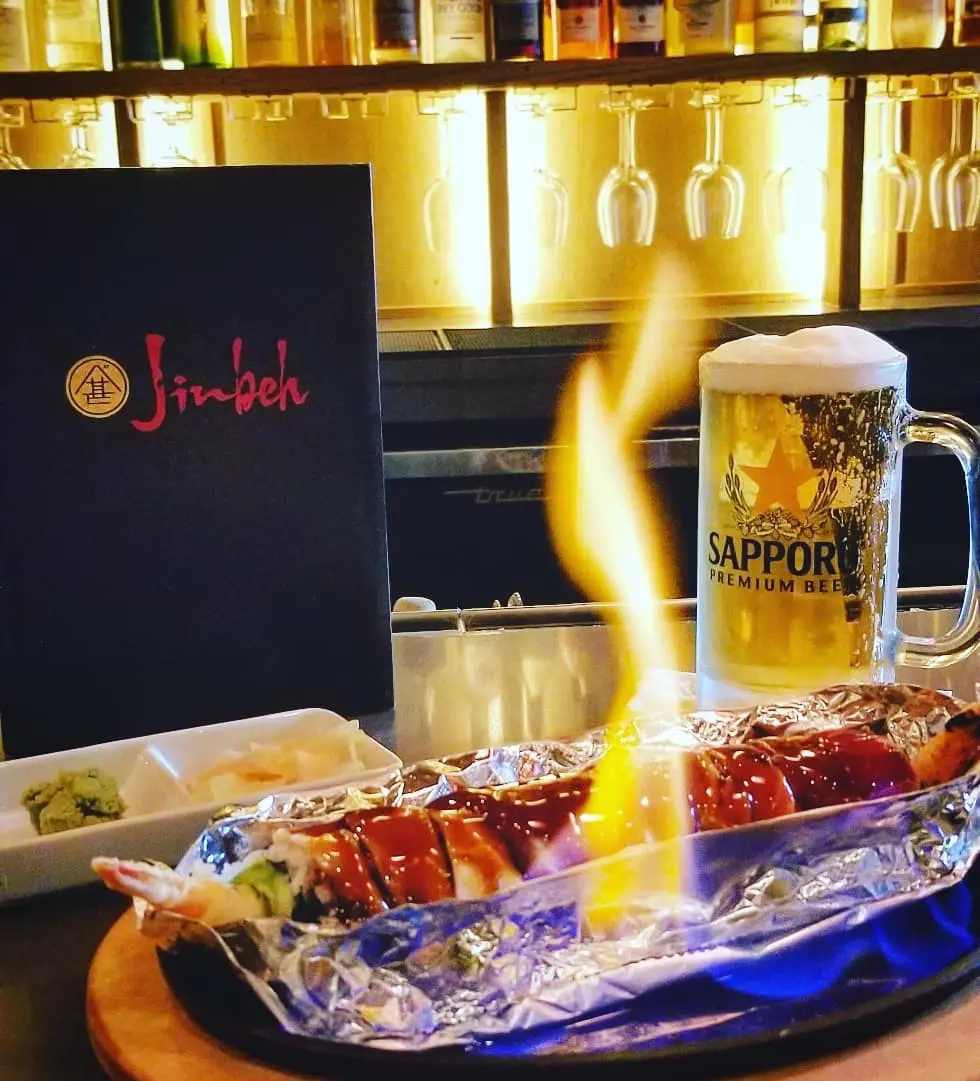
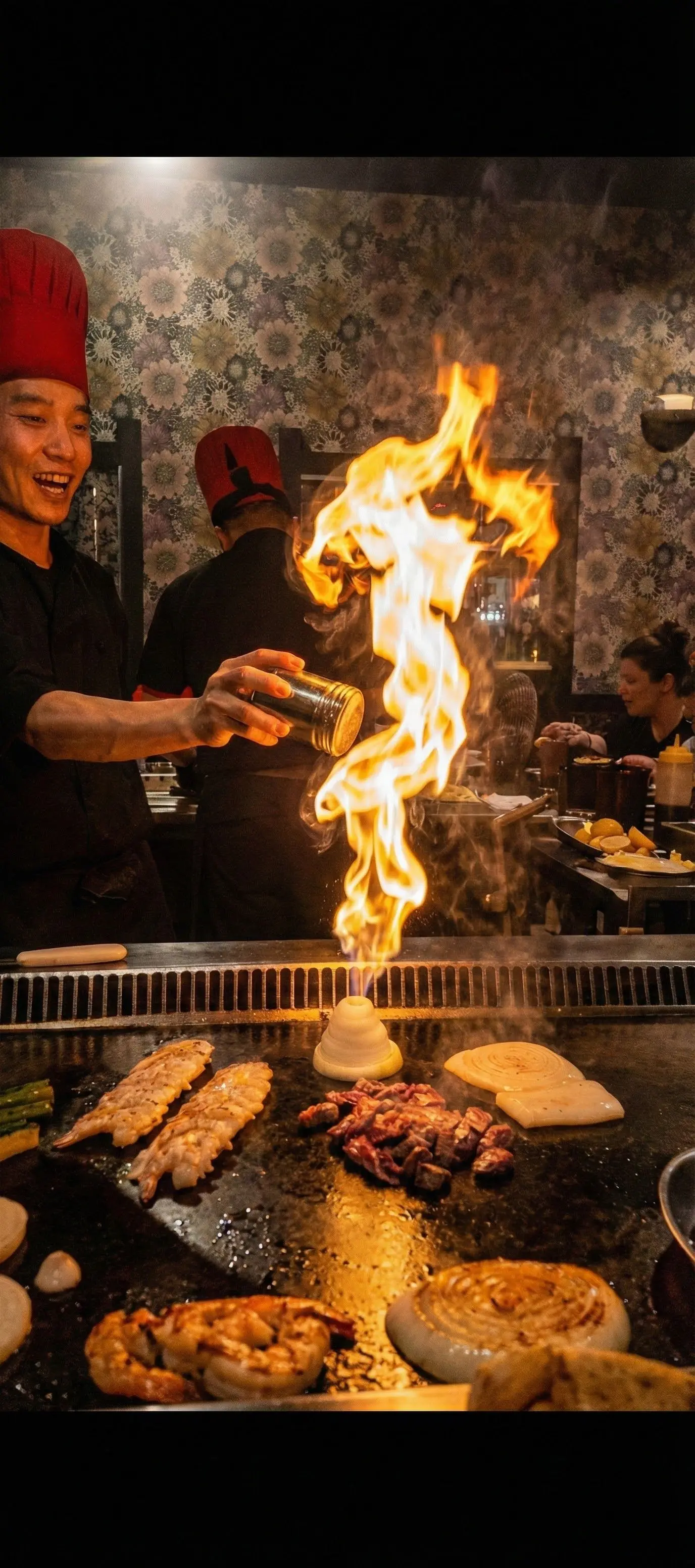
You've heard the terms thrown around interchangeably: "Let's go to a hibachi restaurant." "I love teppanyaki." "The hibachi chef was amazing!" But are hibachi and teppanyaki the same thing? The answer is more nuanced than you might think, and understanding the difference will help you appreciate the Japanese culinary traditions behind your next dining experience.
🏯 Jinbeh's Lost Teppanyaki Treasure
At the original Las Colinas location, Jinbeh served Toban Yaki— a clay pot with a ceramic dish on top, cooked over an open flame. The presentation was stunning: it came with a lid that was ceremonially opened in front of the customer. Super garlicky and beautifully presented, it was one of the restaurant's best sellers. It's one of the dishes the current owner would love to bring back.
📰 Featured in Eater Dallas
Eater Dallas included Jinbeh in their curated DFW dining guide — a testament to the restaurant's commitment to authentic Japanese culinary tradition. Combined with multiple D Magazine awards and 12+ current OpenTable Diners' Choice and “Best Of” recognitions, Jinbeh has earned its reputation as one of North Texas's most enduring Japanese restaurants.
Here's the truth: in Japan, hibachi and teppanyaki are two distinct cooking methods. But in America, the lines have blurred so much that most people use the terms interchangeably. We're here to clear up the confusion and help you understand what you're actually experiencing when you sit down at a table in front of a skilled chef wielding spatulas and flames.
Did You Know?
The word "hibachi" (火鉢) literally means "fire bowl" in Japanese, and what Americans call "hibachi restaurants" actually serve teppanyaki-style cooking on flat iron griddles, not charcoal grills.
Source: Japanese Culinary Traditions
A Brief History: Where It All Started
To understand the difference between hibachi and teppanyaki, we need to travel back to Japan and understand each cooking style's origins.
Hibachi: The Traditional Japanese Heating Device
The word "hibachi" (火鉢) literally translates to "fire bowl" in Japanese. Traditionally, a hibachi is a small, portable heating device used in Japanese homes for warmth and cooking. It's essentially a charcoal-burning grill with an open design. In Japan, hibachi cooking is an intimate affair, a family gathering around a small grill, cooking simple meats, vegetables, and seafood over charcoal heat.
Hibachi cooking focuses on the food and the technique. There's elegance in simplicity. The chef (often a family member) cooks methodically, with attention to the heat source and the natural flavors of premium ingredients. It's meditative, not theatrical. Hibachi restaurants in Japan do exist, but they're typically upscale establishments offering refined cuisine, not the high-energy dinner show experience most Westerners expect.
Teppanyaki: The Performance Cooking Style
"Teppanyaki" (鉄板焼き) means "grilling on an iron plate." Unlike hibachi's charcoal-burning tradition, teppanyaki uses a large, flat iron griddle, typically 3 feet by 5 feet, powered by gas or electricity. Teppanyaki emerged in Japan after World War II and quickly became popular in Japanese cities as a exciting, social dining experience.
Teppanyaki's defining characteristic? The chef cooks directly in front of the diners on a massive flat surface. This visibility transformed cooking into performance. Chefs developed tricks, the onion volcano, spatula tricks, catching shrimp in chef's hats. It became entertainment, not just a meal. Teppanyaki is inherently theatrical and communal.
The American Adaptation: The Confusion Begins
Teppanyaki arrived in America in the 1960s when a Japanese restaurateur opened the first Benihana in New York. The concept was revolutionary: dinner with a show, an interactive dining experience where chefs prepared your meal right before your eyes. Americans were mesmerized.
But here's where the terminology got muddled. Instead of calling these restaurants "teppanyaki," they used the term "hibachi" in marketing and conversation. Why? Because "hibachi" was easier to pronounce and more recognizable to American audiences. Over decades, the term "hibachi restaurant" became the go-to phrase for this style of dining in the United States, even though what you're experiencing is actually teppanyaki.
Fast forward to today, and most Americans, including those who have eaten at "hibachi restaurants" many times, don't realize the terminology is technically backwards. The flat griddle you're sitting around? That's a teppan. The interactive chef performance? That's teppanyaki. But the restaurant? It calls itself hibachi.
Key Differences: Hibachi vs Teppanyaki Explained
Let's break down the essential differences between these two cooking styles:
1. Cooking Equipment
Hibachi: A small, charcoal-burning heating device (6-12 inches), typically for personal or small group use.
Teppanyaki: A large, flat iron griddle (30-60 inches), powered by gas or electricity, designed for cooking and entertaining 6-10 diners simultaneously.
2. Heat Source
Hibachi: Charcoal provides the heat, giving food a distinctive smoky, charred flavor. The heat is localized to the charcoal bed.
Teppanyaki: Gas or electric heat powers the flat iron surface, allowing the chef to control temperature across different zones of the griddle. This precision enables more complex cooking techniques.
3. Cooking Style & Technique
Hibachi: Direct grilling over charcoal. Simple, elegant, minimal manipulation. The focus is on the natural flavors of the ingredient and the chef's restraint.
Teppanyaki: Flat-top grilling with significant knife work, chopping, and manipulation. The chef is constantly moving, cutting, flipping, and arranging food on the griddle surface.
4. Performance & Entertainment
Hibachi: Minimal to no theatrical performance. The cooking is straightforward and understated. Diners appreciate the technique and the food.
Teppanyaki: Highly theatrical. Chefs perform signature tricks: the onion volcano (sliced onion rings stacked and lit on fire), spatula juggling, shrimp-tossing, and playful interaction with diners.
5. Dining Atmosphere
Hibachi: Quiet, intimate, refined. Often solo diners or small groups. Focus is on the food and the dining experience.
Teppanyaki: Energetic, social, celebratory. Communal seating around a large griddle. Perfect for groups, birthdays, and people who want an interactive dining experience.
| Feature | Hibachi | Teppanyaki |
|---|---|---|
| Meaning | Fire bowl (火鉢) | Iron plate grilling (鉄板焼き) |
| Equipment | Small charcoal grill | Large flat iron griddle |
| Heat Source | Charcoal | Gas or electricity |
| Capacity | 1-2 people | 6-10 people |
| Performance | Minimal, understated | Highly theatrical |
| Flavor Profile | Smoky, charred | Clean, precise |
| Best For | Intimate dining, purists | Groups, celebrations, entertainment |
Traditional Hibachi
- ✓Small charcoal grill (火鉢)
- ✓1–2 person intimate setting
- ✓Smoky, charred flavor profile
- ✓Quiet, refined atmosphere
- ✓Minimal performance, food-focused
- ✓Common in Japan, rare in the US
Teppanyaki (Jinbeh)
- ✓Large flat iron griddle (鉄板)
- ✓6–10 guests, communal seating
- ✓Clean, precise searing
- ✓Energetic, celebratory vibe
- ✓Onion volcano, fire tricks, shrimp toss
- ✓What Jinbeh has served since 1988
What to Expect at Each Experience
At an Authentic Hibachi Restaurant (In Japan or Traditional Setting)
- •Intimate counter seating, Small tables or counter where you watch the chef cook
- •Premium ingredients, Often high-grade meats, fresh seafood, and seasonal vegetables
- •Refined technique, Chef cooks methodically, with precision and minimal wasted motion
- •Quiet appreciation, The focus is on the food quality and cooking technique
- •Smoky flavor, Charcoal heat creates distinctive smoky, charred notes
- •Higher price point, Premium ingredients and refined preparation typically cost more
At an American "Hibachi" Restaurant (Actually Teppanyaki)
- •Communal seating, Large flat griddle with 6-10 diners seated around it
- •Interactive entertainment, Chefs perform tricks: onion volcanos, fire displays, knife skills
- •Social atmosphere, Celebration-friendly environment with laughter and energy
- •Complete meal included, Typically soup, salad, fried rice, vegetables, and protein
- •Generous portions, Large servings designed for satisfaction and leftovers
- •Moderate pricing, Generally per person for a full dinner experience
- •Clean, bright flavors, Flat-top griddle cooking produces well-seared exteriors and tender interiors
Jinbeh's Teppanyaki Experience: Blending Tradition with Entertainment
At Jinbeh Japanese Restaurant in Frisco and Lewisville, we've mastered the art of teppanyaki, what most people call "hibachi dining." Since 1988, the Jinbeh family has been crafting experiences where exceptional Japanese cuisine meets genuine entertainment and warm hospitality.
Here's what sets the Jinbeh teppanyaki experience apart:
🔥 Skilled Chefs
Our chefs train for years to perfect their craft. They're not just cooks, they're entertainers who read the table and adjust their performance to create the perfect energy, whether that's family fun or romantic ambiance.
🍤 Fresh Ingredients
We never use frozen proteins. Every piece of chicken, steak, shrimp, and scallop is fresh, selected for premium quality, and prepared with reverence to Japanese culinary traditions.
🎭 Authentic Entertainment
From the legendary onion volcano to fire tricks and personalized engagement with each diner, our chefs bring theater to your table while maintaining focus on food quality.
👨👩👧👦 Perfect for Celebrations
Birthdays, anniversaries, corporate events, or just a fun night out with friends, our communal teppanyaki seating and engaging chefs make every occasion special.
When you choose Jinbeh for teppanyaki experience dining, you're not just getting a meal. You're getting a full sensory experience: the sizzle of the griddle, the aroma of fresh proteins and vegetables, the visual spectacle of the chef's knife skills and flame tricks, and the joy of sharing the moment with your companions around the grill. Check out our full menu and make a reservation today.
The Complete Teppanyaki Meal at Jinbeh
Every teppanyaki dinner includes:
- ✓Miso Soup, Traditional Japanese starter to warm the palate
- ✓Salad, Fresh greens with our house dressing
- ✓Shrimp Appetizer, Prepared on the griddle as entertainment and appetizer
- ✓Fried Rice, Cooked right in front of you with chef's special technique
- ✓Vegetables, Seasonal vegetables grilled to perfection
- ✓Protein, Your choice of chicken, steak, shrimp, scallops, or filet mignon
Insider Tip
Why Does This Confusion Matter?
Understanding the difference between hibachi and teppanyaki matters for a few reasons:
1. Setting expectations: If you're looking for a quiet, refined dining experience with premium ingredients, a traditional hibachi restaurant might be what you want, not an American-style "hibachi" restaurant. Conversely, if you want entertainment and social energy, you're definitely looking for teppanyaki.
2. Appreciating the culture: Understanding that teppanyaki is a distinct Japanese culinary tradition (not just a gimmick) helps you appreciate the skill and artistry involved. Your chef isn't performing tricks for no reason, they're demonstrating years of training and cultural knowledge.
3. Traveling to Japan: If you ever visit Japan and want to experience true hibachi dining, you'll know what to look for, and you'll understand it's a very different (though equally wonderful) experience than what you might know from American restaurants.
4. Recommending to others: When friends ask, "What's the difference between hibachi and teppanyaki?", you can explain it clearly and help them choose the right experience.
Ready to Experience the Best of Both Worlds?
While we can't transport you to a traditional hibachi establishment in Kyoto, we can offer you the best of what American teppanyaki has to offer at Jinbeh. Our chefs blend the precision and reverence of Japanese culinary tradition with the entertainment and community that makes teppanyaki special. Whether you're interested in our sushi offerings or want to learn about types of sushi, we have something for everyone.
Whether you're celebrating a birthday, planning a date night, or just wanting a meal that engages all your senses, we invite you to experience what makes teppanyaki dining unforgettable. Book a table at our Frisco location or Lewisville location today.
Jinbeh Lewisville
⭐ 4.4 GoogleFrequently Asked Questions
What's the difference between hibachi and teppanyaki?
Hibachi is a small charcoal grill. Teppanyaki is a large flat iron griddle. In America, 'hibachi restaurants' serve teppanyaki-style cooking with chef performances. It's confusing! At Jinbeh, we do teppanyaki with the full show.
Is hibachi or teppanyaki more entertaining?
Teppanyaki is the show! Our chefs do knife tricks, spatula juggling, and the famous onion volcano. Fire, flames, and shrimp-tossing. It's dinner and a show. Traditional hibachi is more quiet and focused on the food.
What should I expect at Jinbeh?
Welcome to the table! You'll sit at a shared table with other guests. Our chef cooks your meal right in front of you. Vegetables, your choice of protein, fried rice. Entertainment, fire, and fresh, never-frozen ingredients. It's a celebration every time.
Does teppanyaki taste as good as hibachi?
Both can be delicious! At Jinbeh, we deliver excellent flavor and entertainment. Our chefs are trained for years. Fresh ingredients. Expert technique. Your meal is customized right at the table. You get the best of both.
Can I book a teppanyaki table at Jinbeh?
Yes! Teppanyaki tables seat 7–8 guests (larger groups accommodated by joining tables with advance notice) guests. Call (214) 488-2224. We recommend reservations, especially on weekends. We sometimes combine smaller parties, you might make new friends!
Can I request specific tricks from my hibachi chef?
Absolutely! Our chefs love when guests engage. Popular requests include the onion volcano, the shrimp toss (catch it in your mouth!), and the flaming tower. Let your chef know it's a special occasion and they'll amp up the show. Every performance is unique!
Ready to Experience Jinbeh?
Join us for an unforgettable hibachi dinner and a show. Family-owned since 1988, serving North Texas with authentic Japanese cuisine and warm hospitality.