
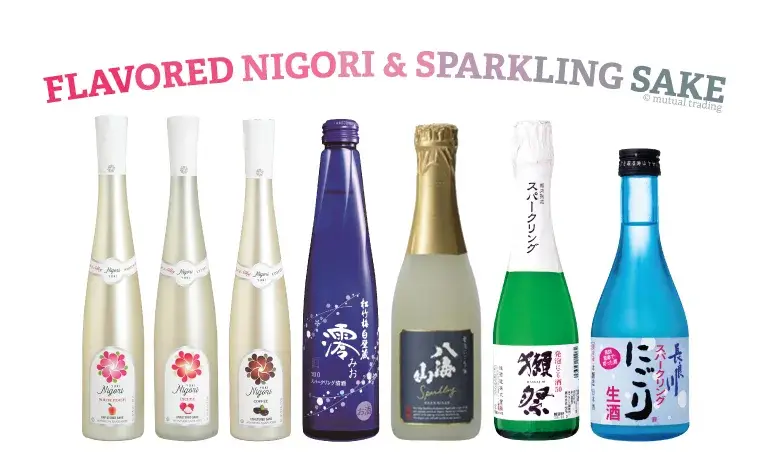
Most American “sake bars” pour two bottles of cheap warm sake and call it a sake program. A real sake bar serves multiple styles cold, knows the difference between junmai and junmai daiginjo, and can recommend a pairing for your meal without making you feel stupid for asking.
DFW has a small but real sake-drinking community. Jinbeh has been part of that scene since 1988 — we pour sake the way it's meant to be drunk, paired with the food it's meant to be drunk with. This is a quick guide to drinking sake properly in DFW and where Jinbeh fits in.
“Order the flight first time. Three small pours, three styles, ten minutes of paying attention. That's the cheapest sake education anyone can give you.”
— The Jinbeh FamilyA 60-second sake primer
Sake is brewed from rice, water, yeast, and koji (a fermentation mold). The main thing that varies across styles is rice polishing ratio — how much of the outer rice grain is milled away before brewing. More polishing = more refined, more aromatic sake.
- Junmai — pure rice sake, no added alcohol. Full-bodied, rice-forward, food-friendly. Drinks well warm or cold
- Junmai ginjo — rice polished to 60% or less. Lighter, more fragrant. Usually served cold
- Junmai daiginjo — rice polished to 50% or less. Most refined, most aromatic. Always cold
- Honjozo — small amount of distilled alcohol added for a crisper finish. Versatile, works warm or cold
- Nigori — unfiltered, cloudy, slightly sweet. Always cold. Pairs well with spicy food
How to order at the Jinbeh sake bar
Three formats work for almost any meal:
Sake by the glass
Single pour, typically 3-4 oz. Good for a single course or as a starter while you decide on dinner. Ask the server for a recommendation based on what you're eating.
Sake flight
Three small pours covering different styles — the educational format. Compare a junmai daiginjo (light, fragrant) against a junmai (richer, fuller) and a honjozo (crisp) side-by-side. The flight is also the right move for two people who want to taste broadly without committing to a bottle.
Bottle to share
For groups at a hibachi table, a bottle of junmai poured into chilled glasses works through the whole meal. Bottle sizes range from 300ml (for two) to 720ml (for a hibachi table).
Insider Tip
Sake pairings that actually work
| What You're Eating | Sake Style |
|---|---|
| Light sashimi (salmon, snapper, scallop) | Junmai daiginjo, junmai ginjo |
| Richer sashimi (tuna belly, yellowtail) | Junmai ginjo, junmai |
| Signature rolls (Sunrise, Lobster Volcano) | Junmai, junmai ginjo |
| Spicy rolls (spicy tuna, dragon roll) | Honjozo, nigori |
| Hibachi steak, filet, ribeye | Junmai, junmai ginjo |
| Hibachi chicken, shrimp, vegetable | Junmai daiginjo, junmai ginjo |
| Tempura, fried appetizers | Honjozo, dry junmai |
When sake isn't the right call
Sake doesn't work for everyone or every meal. If you're not into rice-fermented drinks, Jinbeh also pours Japanese whiskey neat, craft cocktails (Lychee Martini, Tokyo Mule, Jinbeh Punch), wine, and draft beer. Happy hour covers $4 draft and $6 wine alongside the $5 sake during the 5-6:30 PM window.
Where to find Jinbeh in DFW
- Jinbeh Lewisville: 2440 S Stemmons Fwy #A, off I-35E near Vista Ridge. Phone (214) 488-2224
Frequently asked questions
Does Jinbeh have a real sake bar in DFW?
Jinbeh in Lewisville maintains a working sake program — sake by the glass, sake flights, and bottles to share with the table. We pour sake to pair with hibachi and sushi, which is how sake is traditionally drunk in Japan. The selection includes junmai, junmai ginjo, junmai daiginjo, honjozo, and nigori styles. Our servers can guide selections based on what you're eating.
What's the difference between junmai, ginjo, and daiginjo sake?
Junmai sake is brewed from rice, water, yeast, and koji with no added alcohol — the most straightforward style. Junmai ginjo uses rice polished to at least 60% of its original size, which produces lighter, more fragrant sake. Junmai daiginjo uses rice polished to at least 50%, which makes the most refined, aromatic style. Honjozo adds a small amount of distilled alcohol for a crisper finish. Nigori is unfiltered sake — cloudy, slightly sweet, often served chilled with spicy food.
Cold or warm sake — which is right?
Junmai daiginjo and junmai ginjo are almost always served cold or slightly chilled to preserve the aromatic notes. Junmai and honjozo can be served either way — warm brings out the rice character, cold keeps it lighter. Nigori is served cold. Cheaper sake is often warmed to mask flavor; quality sake is usually served cold. When in doubt, ask the server.
What sake pairs with sushi at Jinbeh?
For sashimi and light nigiri (salmon, snapper, scallop), a junmai daiginjo or junmai ginjo with floral, fruity notes. For richer specialty rolls (Lobster Volcano, Sunrise, Spider), a fuller-bodied junmai or junmai ginjo. For spicy tuna or rolls with eel sauce, a slightly drier honjozo balances the heat and sweetness. For sashimi flights, a sake flight covering 2-3 styles is the most informative pairing.
What sake pairs with hibachi?
Hibachi proteins like filet mignon, ribeye, and lobster work with fuller-bodied sake — junmai or junmai ginjo with more rice character. Chicken and shrimp hibachi pair well with lighter junmai daiginjo. Vegetable hibachi works with the same lighter sake styles. For a hibachi table where everyone is sharing, ordering a bottle of junmai to pass around the table is usually the right move.
Does Jinbeh have a sake flight?
Yes. The Jinbeh sake flight typically presents 3 small pours across different styles — usually a junmai daiginjo, a junmai ginjo, and a junmai — so you can compare the styles in one tasting. Great for first-time sake drinkers or for a date night where the flight becomes a conversation prompt.
Does Jinbeh have happy hour pricing on sake?
Yes. Happy hour runs Monday-Friday from 5pm to 6:30pm at our Lewisville location, with $5 sake by the glass during the window. Happy hour drinks are bar-area only. Arriving at 5:30 with a sake flight before transitioning to dinner is one of the better date-night moves in DFW.
Can I learn about sake at Jinbeh, or is it intimidating?
Sake is intimidating only when nobody tells you anything about it. Our servers will walk you through the menu, recommend a style based on what you're eating, and explain the differences without making you feel like you have to know everything. The sake flight is the cheapest way to taste 3 styles in one sitting — and it's a low-stakes way to figure out what you like.
Try the sake flight at Jinbeh
Three pours, three styles, ten minutes of education. Pair with sushi or hibachi.