
Does sake taste like wine? Like beer? Like nothing you've tried before? The honest answer: it depends entirely on which sake you pick. The difference between a bottle and a bottle isn't just price, it's an entirely different drinking experience.
"Sake is like a symphony of flavors. Each sip reveals different taste elements, from fruity and floral notes to earthy undertones. Learning to appreciate sake is a journey of discovery."
, The Jinbeh Team🍶 The Basic Taste Elements of Sake
Did You Know?
Sake contains over 400 identified flavor compounds, more than wine (approximately 200). The flavor complexity comes from the unique parallel fermentation process where rice starch converts to sugar and alcohol simultaneously. Master sake brewers (toji) can identify over 100 distinct flavor notes in a single sake, and Japan's National Research Institute of Brewing has developed a 'sake flavor wheel' with 170 descriptors.
Source: National Research Institute of Brewing, Japan
Sake is composed of five basic taste elements that work together to create its overall flavor profile:
🍬 Sweetness
Derived from the residual sugar remaining after fermentation. Premium sake often has subtle sweetness, while Nigori sake exhibits more pronounced sweetness and creaminess.
🍋 Acidity
Adds a refreshing quality to sake and balances sweetness. Higher acidity creates a crisper, more palate-cleansing effect, while lower acidity results in a smoother drinking experience.
🖤 Bitterness
Often subtle, it adds depth and complexity to the flavor profile. Quality sake has balanced bitterness that doesn't overpower other taste elements.
✨ Astringency
Provides a clean, dry finish that lingers on the palate. This characteristic comes from tannins and amino acids in the sake.
🍲 Umami
A savory taste that enhances the richness of sake. This fifth basic taste creates a satisfying, mouth-filling sensation that elevates the overall drinking experience.
👃 The Sake Tasting Experience
The sake tasting experience is not just about sipping the beverage. It involves using all your senses to fully appreciate the complexity and craftsmanship behind this traditional Japanese drink. Understanding sake's alcohol strength also helps set expectations before your first sip.
Visual Inspection
Start by observing the sake. Pour it into a clear glass and hold it up to the light. Notice the color, which can range from crystal clear to pale gold. Check for clarity and luminosity. Premium sake should be transparent and bright. The color can provide clues about aging and brewing methods.
Aroma Assessment
Before tasting, take a moment to smell the sake. Swirl it gently in the glass to release aromatic compounds. Notice the initial aroma and how it evolves. Common aroma notes include melon, apple, pear, flowers, herbs, and rice. Premium sake often reveals multiple layers of aroma.
Tasting Technique
Take a small sip and let it sit on your tongue. Pay attention to the initial taste, the mid-palate experience, and the finish. Notice how the flavors evolve as the sake warms slightly in your mouth. Swallow slowly and observe the lingering aftertaste.
🎨 Flavor Profiles by Sake Type
Junmai (Pure Rice)
Taste Profile: Full-bodied, earthy, with pronounced rice character
Common Notes: Herbs, earth, rice, sometimes with subtle sweet undertones
Best For: Rich foods, hearty hibachi dishes, and those who prefer robust flavors
Ginjo (Premium)
Taste Profile: Delicate, fruity, floral with bright acidity
Common Notes: Melon, apple, pear, flowers, citrus, sometimes tropical fruits
Best For: Delicate white fish, sashimi, and refined palates
Daiginjo (Ultra-Premium)
Taste Profile: Ultra-delicate, elegant, with complex aromatics
Common Notes: Refined fruit, floral, sometimes mineral or herbal undertones
Best For: Sipping on its own, premium nigiri, special occasions
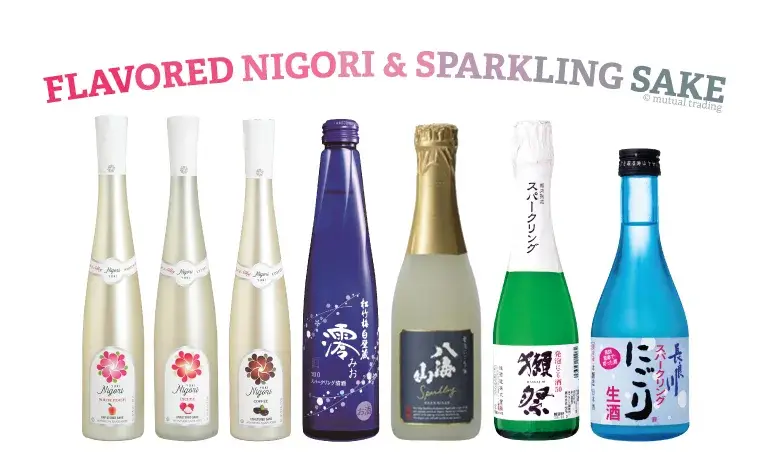
Nigori (Cloudy)
Taste Profile: Sweet, creamy, with thicker mouthfeel
Common Notes: Sweet rice, cream, sometimes tropical fruits or honey
Best For: Spicy dishes, desserts, and those who prefer sweeter beverages

💡 Tips for Appreciating Sake
🌡️ Temperature Matters
Serve premium sake chilled (45-50°F) to preserve delicate flavors. Fuller-bodied sakes can be served slightly warmer (55-65°F) to highlight earthy characteristics.
🥃 Use Proper Glassware
A wine glass or tasting glass is ideal for appreciating aroma and flavor. Avoid traditional sake cups for premium sakes, as they don't allow proper aroma appreciation.
🍚 Pair with Food
Sake truly shines when paired with complementary foods. Try different sake types with various sushiand Japanese dishes to discover your favorite combinations.
📚 Keep Notes
Write down your observations of aroma, taste, and finish. This helps develop your palate and identifies your personal preferences.
❓ Frequently Asked Questions
What does sake taste like?▼
Sake has a complex taste profile with five basic taste elements: sweetness, acidity, bitterness, astringency, and umami. The specific taste varies by type, ranging from fruity and floral to earthy and robust.
Is sake sweet or dry?▼
Sake can be both sweet and dry depending on the type. Premium Ginjo tends to be dry with fruity notes, while Nigori is sweeter and creamier. The residual sugar content determines sweetness levels.
How should I taste sake properly?▼
Start with visual inspection, then smell the aroma. Take a small sip and let it sit on your tongue to experience the layers of flavor. Pay attention to the initial taste, mid-palate, and finish.
What are common flavor notes in sake?▼
Common flavor notes include melon, apple, pear, citrus, floral, herbs, rice, and nuts. More complex sakes may have earthy, spicy, or umami characteristics.
Where can I taste sake flights in Dallas?▼
Welcome to the table! Try our sake flights at Jinbeh to discover your preferences. Our staff explains each one. Call (214) 488-2224 to reserve your tasting experience.
Why Guests Come to Jinbeh for Sake
Jinbeh is a quiet favorite among DFW sake fans. Our sake list runs the full taste profile, from soft, fruity Daiginjo to rich, umami-forward Junmai, with both warm sake and chilled premium cold sake on hand at our Frisco and Lewisvillelocations. Many of our regulars stop in just for the sake, and our team is always happy to talk through what's on the list and recommend a pour for your meal.
Looking for an easy way to try a few? Visit during happy hourMonday through Friday and order a small hot sake at a friendly happy-hour price. It's the most relaxed way to taste your way through the spectrum.
Chef's Pro Tip