
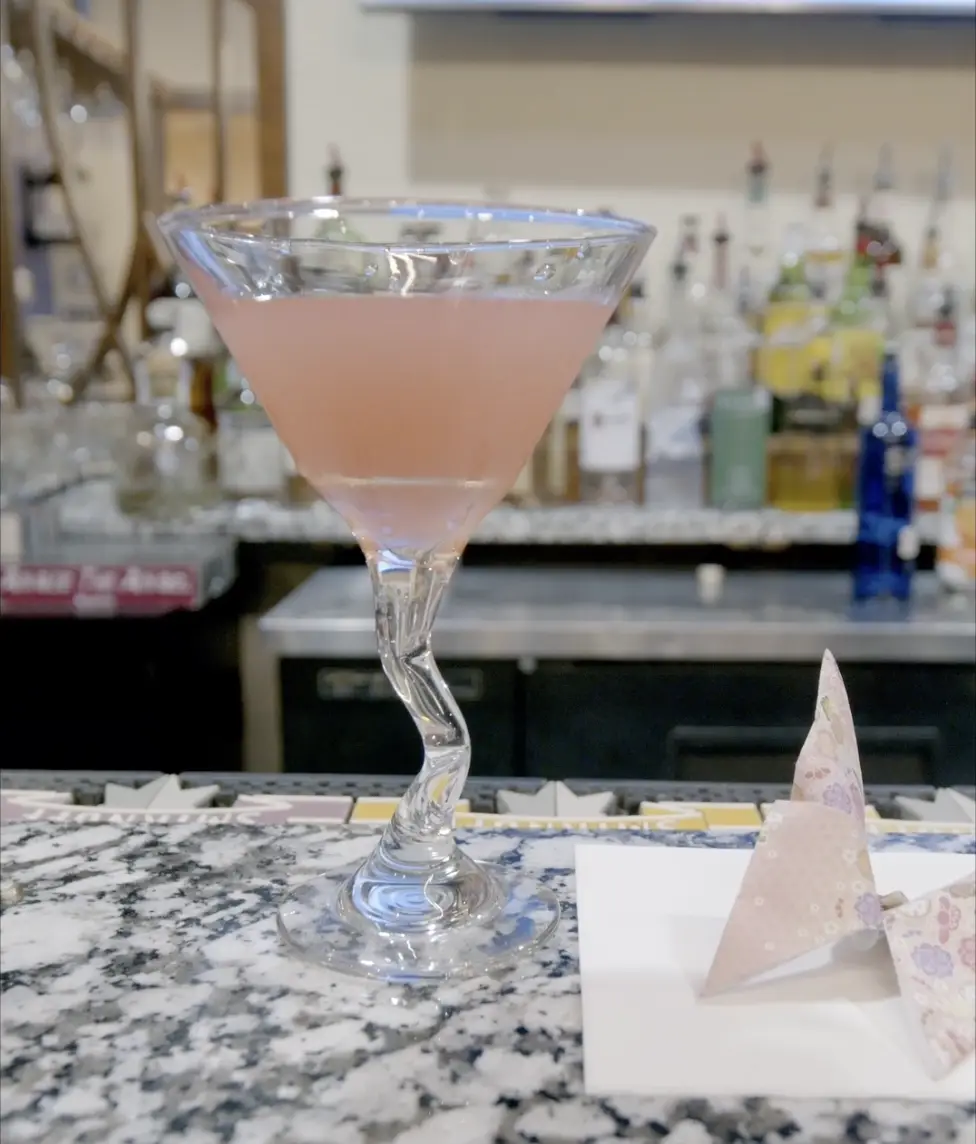
Sake isn't just a drink, it's a bridge between food and flavor. Whether you're enjoying fresh nigiri, watching flames dance on a hibachi grill, or savoring delicate appetizers, the right sake transforms the entire experience. But with so many styles and temperatures to choose from, where do you start?
"At Jinbeh, we've curated our sake selection to complement every dish on our menu. Our staff can guide you through the perfect pairing, whether it's your first sake experience or you're a seasoned connoisseur."
, The Jinbeh TeamDid You Know?
Sake has been brewed in Japan for over 1,000 years, with more than 10,000 breweries operating at its peak. Today, about 1,400 breweries remain, each with distinct regional styles. The word 'sake' actually means 'alcoholic beverage' in Japanese; what we call sake is properly known as 'nihonshu' (日本酒).
Source: Japan Sake & Shochu Makers Association
🍶 Understanding Sake: The Basics
Sake, Japan's iconic rice wine, has been brewed for over a thousand years. What makes it special isn't just the taste, it's the precision, craftsmanship, and centuries of tradition poured into every bottle. To master pairing, it helps to understand what makes different sakes distinct.
At its core, sake is created by fermenting rice, koji mold, and water. The brewing process determines everything: the flavor profile, aroma, body, and even how it pairs with food. Some sakes are bold and earthy, others delicate and floral. Understanding these differences is the first step to perfect pairings.
🌾 The Main Types of Sake Explained
🍂 Junmai (Pure Rice Sake)
Made only from rice, koji, and water. Fuller-bodied with earthy, rice-forward flavors.
Best for: Grilled dishes, rich appetizers, sashimi
✨ Ginjo (Premium Grade)
Highly refined with at least 40% of rice removed. Delicate, fruity, floral aromas.
Best for: Nigiri sushi, white fish, light appetizers
🏆 Daiginjo (Ultra-Premium)
Over 50% of rice removed. Incredibly elegant with subtle, complex flavors and fragrance.
Best for: Premium sashimi, formal meals, special occasions
🌊 Honjozo (Brewer's Alcohol Added)
Brewers add a touch of distilled alcohol. Crisp, light, and clean with good acidity.
Best for: Everyday meals, fried foods, strong flavors
🍷 Koshu (Aged Sake)
Stored for years, developing rich amber color and complex, aged flavors (sherry-like).
Best for: Rich appetizers, aged cheeses, complex dishes
✨ Sparkling Sake (Hana Awaka)
Carbonated sake with light, refreshing bubbles and subtle sweetness. Perfect for celebrations.
Best for: Appetizers, fried foods, celebrations, aperitif
🍣 Sake Pairing with Sushi: The Perfect Match
Sushi is sake's most famous partner. But not all sushi varieties call for the same sake. The type of fish, rice preparation, and toppings all influence which sake shines brightest. Learn more about different sushi for beginners to understand each style better.
🍤 Nigiri (Hand-Pressed Sushi)
Delicate flavors complement raw fish beautifully without overpowering it. The crispness cleanses the palate between bites.
If you prefer something less delicate, a dry Honjozo offers crisp acidity and light body that won't compete with subtle fish flavors.
Fatty tuna benefits from Junmai's fuller body and earthy character, which balances the richness.
🍣 Sashimi (Sliced Raw Fish)
Since sashimi has no rice to provide texture contrast, a premium sake's elegance and complexity become the star of the show.
A fruity Junmai with subtle sweetness can enhance white fish like flounder or halibut.
🍣 Maki & Rolls (Composed Sushi)
Rolls often contain mayo, cream cheese, or cooked ingredients. A fuller-bodied sake with more character works better than delicate options.
Sriracha mayo? Jalapeños? A hint of sweetness cools the heat while complementing the roll's complexity.
🔥 Sake with Hibachi: Matching Heat and Flavor
Hibachi is all about bold, grilled flavors and interactive theater. The intense heat and char of the grill demand a sake with more presence than what you'd pair with delicate sushi. Understanding the hibachi teppanyaki experience helps you appreciate the cooking method and food better.
Grilled Proteins (Steak, Chicken, Shrimp)
Top choice: Junmai or Honjozo served warm (104-113°F)
Warming the sake brings out richer, earthier notes that complement the Maillard reaction, those delicious caramelized flavors from grilling.
Why: Fuller-bodied sakes won't get lost next to bold, grilled tastes. The sake's warmth mirrors the heat of the grill.
Grilled Vegetables & Fried Rice
Top choice: Warm Junmai or aged Koshu
The umami-rich flavors in grilled vegetables and butter-laden fried rice need sake with body and depth.
Why: A Koshu's complex, aged character plays beautifully with these savory elements.
Insider Tip
🥠 Appetizers & Small Plates Pairing Guide
| Appetizer | Best Sake | Serving Temp |
|---|---|---|
| Edamame | Dry Honjozo or light Junmai | Chilled or room temp |
| Gyoza (Pan-fried) | Warm Junmai | Warm (104-113°F) |
| Fried Spring Rolls | Sparkling sake or Honjozo | Chilled |
| Tempura | Light Ginjo or Honjozo | Chilled |
| Ahi Poke | Premium Ginjo | Well-chilled (50-55°F) |
| Chicken Katsu | Warm Honjozo | Warm (95-109°F) |
| Seaweed Salad | Light Ginjo or dry Honjozo | Chilled |
| Rich Appetizers (cream-based) | Aged Koshu | Room temp or slightly warm |
🌡️ Temperature Matters: Serving Your Sake Right
One of sake's greatest secrets? Temperature dramatically changes how it tastes. Knowing the right temperature for each sake type is as important as the pairing itself.
❄️ Chilled (50-55°F)
Best for: Ginjo, Daiginjo, and sparkling sake
Cold brings out delicate floral and fruity aromatics. Perfect for sushi, sashimi, and light appetizers. Think of it like how chilled wine tastes crisper than warm wine.
❄️ Cool (55-65°F)
Best for: Light Honjozo and some Junmai
This middle ground works for everyday drinking and casual meals. The flavors are bright but not overly delicate.
🔥 Warm (95-109°F)
Best for: Junmai, Honjozo, and everyday sake
Warmth mellows any harshness and brings out richer, earthier flavors. Ideal for grilled hibachi and fried dishes.
🌡️ Hot (104-113°F)
Best for: Fuller Junmai and rustic sake
Hotter sake intensifies umami and brings warming comfort. Perfect for winter meals and rich, bold flavors.
💡 Pro Tip: Temperature Mistakes to Avoid
- ✗Don't serve premium Ginjo warm. Cold is where this delicate sake shines, warming it makes it taste flat and boring.
- ✗Don't chill aged Koshu. Cold suppresses the complex flavors that aging developed. Room temperature or slightly warm is ideal.
- ✗Don't serve sake boiling hot. Over 130°F, you'll lose aromatic subtleties. Warm, yes. Scalding, no.
🍶 Jinbeh's Curated Sake Selection
At Jinbeh, our sake menu is thoughtfully selected to enhance every dish we serve. Whether you're a beginner or an enthusiast, our team is here to guide you.
🍣 For Sushi & Sashimi Lovers
We stock premium Ginjo and Daiginjo options that let the freshness of our fish speak.
Explore our menu →🔥 For Hibachi Diners
Our Junmai and warm sake selections complement grilled specialties perfectly.
View hibachi menu →🎯 Ask Our Staff
Not sure which sake to choose? Our team at Jinbeh Lewisville is trained in sake pairing. Tell us what you're ordering, and we'll recommend the perfect pour.
❓ Frequently Asked Questions
🎉 Sake Pairing at Jinbeh Happy Hour
Let Our Staff Guide Your Sake Journey
Not sure which sake to order? Ask your server. Our team is trained to match sake to your meal—whether you're having sushi, hibachi, or something from the kitchen. No pretension, just great recommendations.
🎊 Join us for Happy Hour Sake Tastings
Our bartenders can guide you through sake styles with appetizers specifically chosen to highlight each sake's best qualities. It's fun, approachable, and delicious.
🌟 Your Sake Pairing Journey Starts Here
Sake pairing isn't complicated, it's about balance, intensity, and exploring what you love. Whether you're a sushi purist at best sushi in Frisco, a hibachi enthusiast, or somewhere in between, there's a sake waiting to elevate your next meal.
The best part? You don't have to figure it out alone. At Jinbeh, our staff lives and breathes sake knowledge. Tell us what you're eating, and we'll guide you to the perfect pour. That's the Jinbeh difference: we're not just serving food and drink, we're creating an experience.
Discover Jinbeh's Sake Selection
Jinbeh keeps a wide variety of sake on hand at Jinbeh Lewisville. We pour both hot sake (served warm in a tokkuri) and chilled premium cold sake, with flavor profiles ranging from soft and fruity to dry, rich, and earthy. Our list rotates as we bring in new bottles, so there's always something fresh for regulars to try.
New to sake? Stop by during Jinbeh happy hourMonday through Friday and try a small hot sake at a friendly price. It's one of the easiest ways in DFW to taste why so many of our regulars come for the sake first and stay for the sushi.