
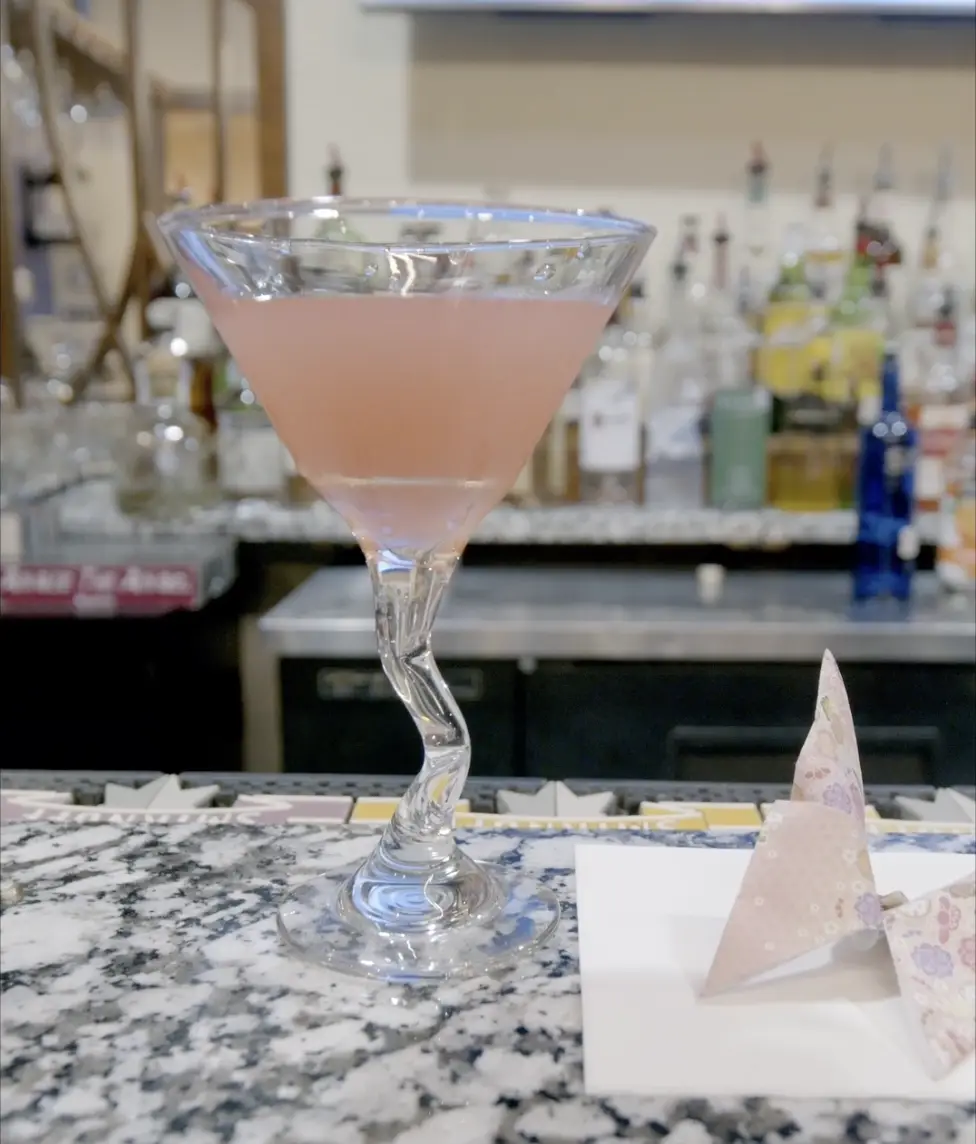
Sake isn't one-size-fits-all. It's a spectrum of flavors, textures, and experiences. Whether you're drawn to the bold, earthy notes of Junmai, the delicate elegance of Daiginjo, or the crisp simplicity of Honjozo, understanding sake types transforms you from casual drinker to informed enthusiast. Let's explore what makes each variety special.
"At Jinbeh, we stock diverse sake varieties so every guest finds their perfect match. Our staff is trained in sake classification and can guide you through your preferences."
, The Jinbeh TeamSake (Rice Wine)
Nihonshu (日本酒)
Origin
Japan, Niigata, Fushimi (Kyoto), Nada (Kobe)
Peak Season
Autumn (new sake season: October–February)
Flavor Profile
Ranges from crisp & dry (Junmai) to floral & fruity (Daiginjo)
Pairs With
Sashimi, hibachi, tempura, grilled fish
🌾 The Sake Classification System
Did You Know?
Japan produces over 1,400 active sake breweries (kura), yet the global sake market has grown 12% annually since 2018, reaching billion in 2024. The U.S. is now the largest sake market outside Japan, with Texas ranking in the top 10 states for sake consumption. Interestingly, sake predates wine and beer, archaeological evidence suggests rice fermentation in Japan dates back over 2,000 years. The rice polishing machine, invented in 1930, revolutionized sake and created the modern classification system we use today.
Source: Sake Brewers Association of Japan
Sake classification is based on two main factors: ingredients and rice polishing percentage. Understanding these fundamentals unlocks the world of sake varieties.
📊 Factor 1: Ingredients
Pure Rice (Junmai): Only rice, koji, and water. No additives.
Added Alcohol (Honjozo): Brewers add distilled alcohol for flavor enhancement and clarity.
✨ Factor 2: Rice Polishing
Rice polishing percentage (Seimai Buai) shows how much of the rice grain is removed. Lower percentage = more polishing = more refined sake.
Range: 50-80% remaining rice
💡 Key Principle
More polishing removes proteins, fats, and minerals concentrated in the outer grain layers. This leaves starches and amino acids that ferment into delicate, refined flavors. Less polishing preserves more of the grain, resulting in fuller-bodied, earthier sakes.
🍶 The Main Sake Types Explained
| Type | ABV | Polishing | Flavor | Best With |
|---|---|---|---|---|
| 🍂 Junmai | 15–16% | 30–40% | Earthy, umami-rich | Hibachi, grilled |
| ✨ Ginjo | 15–16% | 40% | Fruity, floral | Nigiri, sashimi |
| 🏆 Daiginjo | 15–16% | 50%+ | Elegant, complex | Premium sashimi |
| 🌊 Honjozo | ~15.6% | 30% | Crisp, clean | Fried food, everyday |
| 🍷 Koshu | 15–17% | Varies | Sherry-like, complex | Rich appetizers |
| ✨ Sparkling | 5–8% | Varies | Light, celebratory | Appetizers, dessert |
| 🌸 Nigori | 15–17% | Varies | Creamy, sweet | Cheese, rich foods |
Junmai (Pure Rice Sake)
What it is: Made exclusively from rice, koji (mold), and water. No alcohol additives.
Polishing: Typically 30-40% polished (60-70% remains)
Flavor Profile: Fuller-bodied, earthy, rice-forward, slightly heavier mouthfeel, umami-rich
Alcohol Content: 15-16% ABV (typical)
Best For: Grilled hibachi dishes, rich appetizers, sashimi with fatty fish, warm or room temperature serving
Ginjo (Premium Grade)
What it is: Highly refined sake with at least 40% of rice polished away, allowing brewers to use only the heart of the grain.
Polishing: 40% polished (60% remains)
Flavor Profile: Delicate, aromatic, fruity notes (apple, pear, melon), floral undertones, clean and crisp, light body
Alcohol Content: 15-16% ABV
Best For: Nigiri sushi, white fish, light appetizers, premium sashimi, chilled serving (50-55°F)
Daiginjo (Ultra-Premium)
What it is: The most refined sake category. Over 50% of rice is polished away, sometimes reaching 70%+. Represents the pinnacle of sake refinement.
Polishing: 50%+ polished (50% or less remains)
Flavor Profile: Incredibly elegant, subtle complexity, delicate aromatics, sophisticated layers, ethereal mouthfeel, sometimes with slight sweetness
Alcohol Content: 15-16% ABV
Best For: Premium sashimi, special occasions, formal meals, wine lovers seeking elegance, well-chilled serving
Honjozo (Brewer's Alcohol Added)
What it is: Brewers add a small amount of distilled alcohol during fermentation. This enhances flavor and clarity while keeping production costs lower.
Polishing: 30% polished (70% remains)
Flavor Profile: Crisp, light, clean, good acidity, slightly dry, broader appeal
Alcohol Content: 15.6% ABV (typically higher than others)
Best For: Everyday meals, fried foods, strong flavors, beginner-friendly, affordable, room temperature or slightly chilled
Koshu (Aged Sake)
What it is: Sake stored for 3+ years, developing complexity and color. Oxidation and aging create unique character.
Appearance: Amber to golden-brown color (much darker than fresh sake)
Flavor Profile: Complex, aged flavors reminiscent of sherry or brandy, warm spice notes, honey, dried fruit, rich and sophisticated
Alcohol Content: 15-17% ABV
Best For: Rich appetizers, aged cheeses, complex dishes, dessert pairing, room temperature serving (warming suppresses complexity)
Sparkling Sake (Awasake)
What it is: Carbonated sake with light, playful bubbles. Modern innovation on traditional sake.
Carbonation: Naturally or artificially carbonated
Flavor Profile: Refreshing, light body, often slightly sweet, celebratory feel, similar to sparkling wine or champagne
Alcohol Content: 5-8% ABV (lower than traditional sake)
Best For: Appetizers, fried foods, celebrations, aperitif, dessert, well-chilled (50-55°F)
Nigori (Unfiltered Sake)
What it is: Sake that's lightly filtered or not filtered, leaving sediment particles visible. Cloudy appearance.
Appearance: Milky white or cloudy (sediment gives it character)
Flavor Profile: Creamy, rich, often slightly sweet, thicker mouthfeel, pronounced sake character
Alcohol Content: 15-17% ABV
Best For: Cheese, rich foods, on its own as a sipping sake, creamy appetizers, chilled serving
🎯 Junmai vs Daiginjo: The Key Differences
These two varieties represent opposite ends of the sake spectrum. Understanding their differences is essential for any sake enthusiast.
| Characteristic | Junmai | Daiginjo |
|---|---|---|
| Ingredients | Rice, koji, water only | Rice (50% or less), koji, water |
| Polishing % | 30-40% polished | 50%+ polished |
| Price | Moderate | Premium to luxury |
| Flavor | Bold, earthy, umami-rich | Delicate, fruity, complex |
| Body | Fuller, heavier | Light, elegant |
| Alcohol | 15-16% ABV | 15-16% ABV |
| Best Temperature | Warm (95-113°F) | Chilled (50-55°F) |
| Best With | Grilled dishes, rich food | Sashimi, light dishes |
| Best For | Everyday enjoyment | Special occasions |
👃 Flavor Profiles by Sake Type
Each sake type has a distinct flavor signature. Learning these profiles helps you choose based on your preferences.
🍂 Junmai Flavors
- •Rice sweetness
- •Earthy, mineral notes
- •Umami richness
- •Nutty undertones
- •Warm, lingering finish
✨ Ginjo Flavors
- •Fruity (apple, pear, melon)
- •Floral aromatics
- •Clean, crisp acidity
- •Light, delicate body
- •Refreshing, palate-cleansing
🏆 Daiginjo Flavors
- •Elegant complexity
- •Subtle fruit and floral notes
- •Ethereal, sophisticated layers
- •Sometimes slight sweetness
- •Refined, lingering finish
🌊 Honjozo Flavors
- •Crisp, clean character
- •Good acidity and balance
- •Light body, approachable
- •Versatile with many dishes
- •Clean, dry finish
🎯 How to Choose the Right Sake for You
Choosing sake is personal. Use this guide to navigate based on your preferences, occasion, and food pairing needs.
If You Prefer: Bold, Earthy Flavors
Choose: Junmai
Junmai's full body and umami-rich profile delivers character and presence. Perfect if you enjoy complex, substantial drinks.
If You Prefer: Delicate, Fruity Profiles
Choose: Ginjo or Daiginjo
These refined varieties showcase subtle fruit and floral notes. Ideal for those who enjoy wine-like elegance and sophistication.
If You're New to Sake
Start: Honjozo or Entry-Level Junmai
These are approachable, balanced, and versatile. They're affordable enough to try without heavy commitment and offer genuine sake character. Upgrade to premium varieties once you find your preference.
If You're a Wine Lover
Choose: Daiginjo or Aged Koshu
Daiginjo's elegance mirrors fine wine. Aged Koshu's complexity and sophistication appeal to wine enthusiasts seeking something new.
If You're Celebrating or Want Something Special
Choose: Daiginjo, Sparkling Sake, or Premium Ginjo
These varieties feel luxurious and special. Sparkling sake is particularly celebratory and fun.
If You're Pairing with Food
Match Intensity: Bold food = fuller-bodied sake (Junmai). Delicate food = refined sake (Ginjo/Daiginjo).
Junmai with hibachi, sashimi with Ginjo, grilled proteins with warm Junmai.
🍶 Jinbeh's Sake Selection
At Jinbeh, we've thoughtfully selected sake varieties to complement every dish on our menu. Whether you're dining at our Frisco or Lewisville location, our staff is trained in sake types and can guide your choice.
🍣 For Sushi Lovers
We stock premium Ginjo and Daiginjo options that let the freshness of our fish shine through.
View full menu →🔥 For Hibachi Diners
Our Junmai and warm sake selections perfectly complement grilled specialties and bold flavors.
Explore hibachi →🎉 For Happy Hour
Explore diverse sake types at great prices during our happy hour specials.
Happy hour details →✨ Premium Collections
Discover rare and specialty sake selections for discerning palates and special occasions.
Premium options →🎯 Ask Our Experts
Not sure which sake type to choose? Our team at Jinbeh, our Lewisville location, is trained in sake classification and varieties. Tell us your preferences, and we'll recommend the perfect pour for your meal.
❓ Frequently Asked Questions
What is the difference between Junmai and Daiginjo?▼
Junmai is pure rice sake (no additives) with 30-40% polishing, offering fuller body and earthy flavors.
Daiginjo is ultra-premium with 50%+ polishing, providing delicate, elegant, refined flavors. Junmai is bolder; Daiginjo is more sophisticated.
What does rice polishing percentage mean?▼
Rice polishing percentage (Seimai Buai) shows how much of the rice grain is removed. Lower percentages mean more polishing and more refined sake.
- Junmai: typically 30-40% polished
- Ginjo: 40% polished
- Daiginjo: 50% or more polished
More polishing removes fats and proteins, leaving pure starches for delicate, refined flavors.
Which sake is best for beginners?▼
Honjozo or entry-level Junmai are excellent for beginners.
- Approachable and balanced
- Versatile with many foods
- Affordable to explore
- Offer genuine sake character without overwhelming complexity
Once you discover what you enjoy, graduate to premium Ginjo or specialty varieties.
What is Honjozo sake?▼
Honjozo is sake where brewers add a small amount of distilled alcohol during fermentation.
- Enhances flavor clarity and complexity
- Creates a crisp, clean profile
- Keeps production costs lower than pure rice sake
- Versatile and works well with many dishes
Is aged sake (Koshu) better than fresh sake?▼
Not better, just different.
- Fresh sake: Bright, delicate, fruity, refreshing
- Aged Koshu: Complex, sherry-like, warm spices, honey, sophisticated
Choose based on your occasion and food. Fresh for sushi, aged for rich dishes and special moments.
How should different sake types be served (temperature)?▼
- Ginjo/Daiginjo: Chilled (50-55°F)
- Honjozo: Room temp or slightly chilled
- Junmai: Warm (95-113°F) or room temperature
- Koshu (aged): Room temperature or slightly warm
- Sparkling: Well-chilled (50-55°F)
Temperature dramatically changes how sake tastes. Cold brings out delicate aromatics; warmth intensifies umami.
Can I mix and match sake types?▼
Absolutely! It's a celebration! Sake tasting and exploration is fun. Many diners enjoy sampling multiple varieties during one meal.
Pro tip: Taste from lightest to boldest (Ginjo first, then Junmai). This prevents heavier flavors from overwhelming delicate ones.
At Jinbeh, our happy hour is perfect for sampling different sake types at reasonable prices. Call (214) 488-2224 for hours and details.
🎉 Explore Sake Types at Jinbeh Happy Hour
Ready to explore different sake types? Jinbeh Happy Hour is the perfect opportunity to sample varieties and discover your favorite. Enjoy sake, Japanese draft beer, and wine every Monday through Friday from 5:00 to 6:30 PM.
🎊 Happy Hour Sake Tastings
Our bartenders can guide you through different sake types and recommend pairings to highlight each variety's best qualities. It's the perfect way to learn what you love.
🌟 Your Sake Journey Begins
Understanding sake types transforms how you enjoy Japanese cuisine. Whether you prefer the bold character of Junmai, the elegance of Daiginjo, or anything in between, there's a sake variety perfect for you.
The best part? You don't have to figure it out alone. At Jinbeh, our staff is passionate about sake and trained in all varieties. Tell us what you're eating or what flavors you enjoy, and we'll recommend the perfect type for your experience.
Chef's Pro Tip
Jinbeh Lewisville
⭐ 4.4 GoogleLearn more about sake at our blog. Explore our sake pairing guide, sake alcohol strength explained, and discover more sushi pairing options.