
AYCE Sushi vs. Traditional: What's the Real Difference?
A balanced look at all-you-can-eat sushi versus traditional sushi restaurants. Learn what drives quality, freshness, and safety in each format.
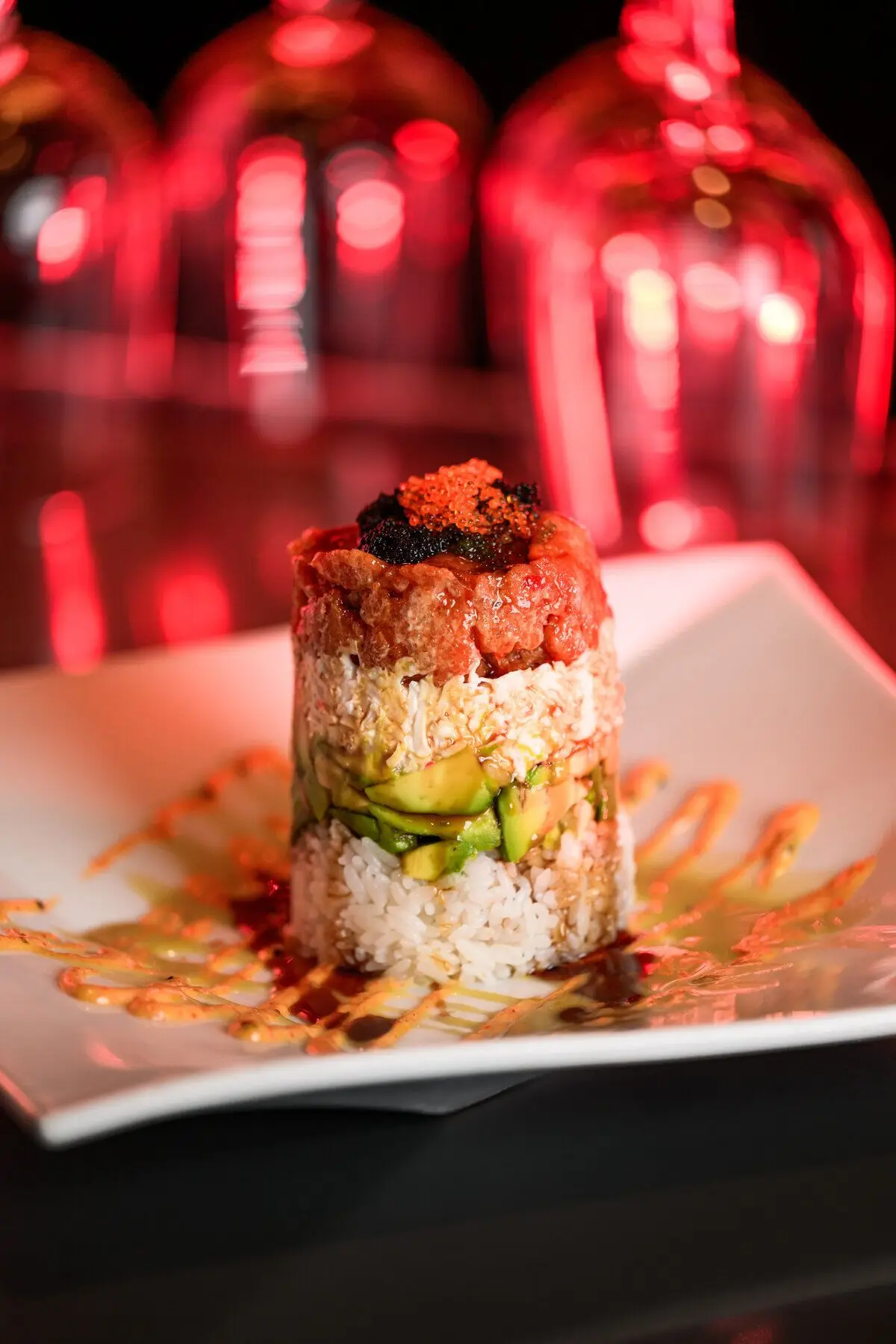
Key Takeaway
Both AYCE and traditional sushi can be enjoyable, but they involve different trade-offs. AYCE prioritizes volume and value; traditional restaurants prioritize ingredient quality and chef craftsmanship. Understanding the economics and food safety factors behind each helps you make informed choices.
If you have searched for sushi in the DFW area, you have likely noticed two ver y different kinds of restaurants: all-you-can-eat (AYCE) spots and traditional sushi bars. Both serve raw fish. Both can be delicious. But the way they operate, source ingredients, and deliver your meal are fundamentally different.
🎌 Why Jinbeh Chose Tradition Over Volume
Jinbeh's sushi master, nearly 30 years with the restaurant, co-created every roll on the menu during late-night sessions with the Matsuda family. High-end Japanese restaurants don't do picture menus (Jinbeh tried once, and the feedback was “this is very Chinese restaurant”), and they don't do all-you-can-eat. What they do is craft each piece with precision, using the freshest daily-sourced fish.
🏆 D Magazine Recognized Our Craft-First Approach
When D Magazine named Jinbeh “Best Place to Eat” and “Best Neighborhood Restaurant,”1it wasn't for volume. It was for quality. That same craft-first philosophy drives every piece of sushi our 30-year master creates today. OpenTable diners agree: Jinbeh is a current Diners' Choice pick for Best Sushi in the Dallas suburbs.
This guide breaks down the real differences between these two dining formats, so you can choose the experience that best fits what you are looking for, whether that is value, quality, ambiance, or all three.
How AYCE Sushi Restaurants Work
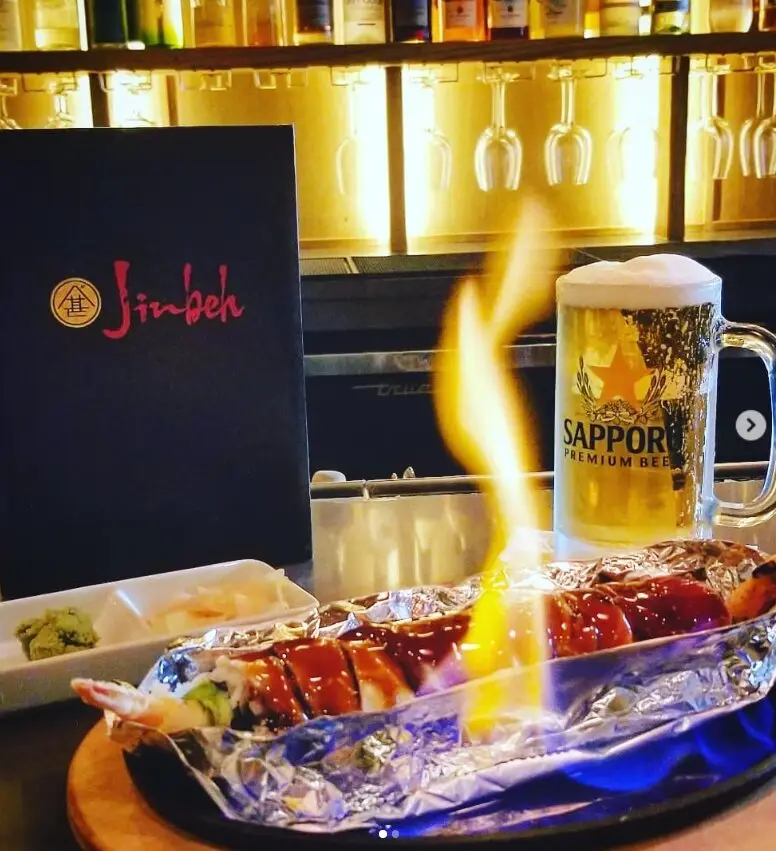
All-you-can-eat sushi restaurants offer unlimited sushi for a fixed price, typically ranging from to per person. To make this model profitable, these restaurants rely on several key strategies.
The Economics of Unlimited Sushi
AYCE restaurants operate on remarkably thin margins, often around 5% of revenue. To stay viable, they make careful trade-offs:
- Higher rice-to-fish ratios: Rolls may contain more rice and less fish per piece compared to traditional restaurants. Rice is inexpensive; premium fish is not.
- Bulk purchasing: Buying fish in large volumes from wholesale distributors allows for lower per-unit costs, though this can mean less flexibility in selecting premium cuts.
- Fewer labor costs: AYCE models often have fewer servers and less specialized chef talent, which can result in lower-quality service and less intricate knife work or presentation.
- Waste reduction tactics: Many AYCE restaurants charge penalties ( per piece) for uneaten food. Appetizers and salads may be served first to reduce how much sushi diners actually consume.
Did You Know?
The average AYCE diner actually eats less than they would order a la carte. The business model relies on this behavioral pattern to remain profitable.
What This Means for Your Plate
None of this makes AYCE sushi bad. Many AYCE restaurants serve perfectly enjoyable food. But the economic pressures do create predictable patterns: you may see more tempura rolls and less nigiri, more imitation crab and less fresh yellowtail, and thinner slices when premium fish is offered.
How Traditional Sushi Restaurants Operate
Traditional sushi restaurants operate on a per-plate pricing model. Each piece or roll is priced individually, and the restaurant invests more per serving in ingredients, preparation, and presentation.
The Quality Advantage
When a restaurant charges per piece, the incentive structure shifts. Chefs can afford to:
- Source selectively: Build relationships with specific fish suppliers and select cuts based on quality rather than volume pricing.
- Cut to order: Prepare sashimi and nigiri fresh for each guest rather than pre-slicing in bulk. This preserves texture, temperature, and flavor.
- Invest in craft: Spend more time on knife technique, rice seasoning, and presentation. A great sushi chef trains for years to master these skills.
- Offer premium varieties: Serve fish like otoro (fatty tuna belly), uni (sea urchin), and seasonal specialties that are too expensive for an AYCE model.
All-You-Can-Eat
- ✓Fixed price (/person)
- ✓High volume, bulk-sourced fish
- ✓Rice-forward rolls
- ✓Great for groups on a budget
- ✓Limited premium options
Traditional / Made-to-Order
- ✓Per-plate pricing
- ✓Selectively sourced, cut to order
- ✓Chef-crafted presentation
- ✓Better for special occasions
- ✓Full range of premium fish
Food Safety: What the FDA Actually Requires
Both AYCE and traditional sushi restaurants must follow the same food safety regulations. Understanding these guidelines helps you evaluate any sushi restaurant, regardless of format.
The Freezing Requirement
Contrary to popular belief, the FDA requires most fish served raw to be frozen before consumption to destroy parasites. The specific requirements are:
- Frozen and stored at -4°F (-20°C) or below for a minimum of 7 days, or
- Frozen at -31°F (-35°C) until solid and stored at that temperature for 15 hours
Certain fish are exempt, including several tuna species (yellowfin, bluefin, bigeye) and some aquaculture-raised fish.
Health Tip
Where Format Matters for Safety
The food safety risks that do differ between formats relate to how sushi is stored and served:
- Temperature control: Traditional buffet-style AYCE (where sushi sits on a conveyor or display) creates more temperature exposure than made-to-order preparation. Many modern AYCE restaurants now use order-from-your-table systems to address this.
- Turnover speed: In a busy AYCE restaurant, food moves quickly. In a slow one, sushi may sit longer. Traditional restaurants prepare each piece fresh.
- Cross-contamination: Shared serving areas increase risk. Individual plating eliminates this concern.
How to Spot Quality Sushi Anywhere
Whether you are eating at an AYCE restaurant, a traditional sushi bar, or anywhere in between, these indicators help you assess freshness and quality:
Mild and clean, like the ocean
Smell
Vibrant and shiny, no gray or brown
Color
Firm, springs back when pressed
Texture
Slightly warm, sticky, not dry
Rice
If the restaurant smells strongly of fish when you walk in, that is a warning sign, regardless of the format. Fresh sushi has a mild, almost sweet oceanic aroma.
When Each Format Makes Sense
Choose AYCE When:
- You want variety and want to try many different rolls
- You are dining with a large group on a budget
- You are focused on fun and quantity over premium ingredients
- You enjoy casual, laid-back dining
Choose Traditional When:
- You want the freshest fish, cut to order
- You are celebrating a special occasion
- You appreciate chef craftsmanship and presentation
- You want access to premium varieties like omakase, otoro, or seasonal specialties
- You prefer a more intimate, curated dining experience
Jinbeh's Approach to Sushi
At Jinbeh, we chose the traditional path. Every piece of sushi and sashimi is prepared to order by experienced chefs who have honed their craft over years. We source our fish for quality and freshness, not volume pricing.
This is the standard we have held since 1988. We believe that when someone sits down at our sushi bar, they deserve to taste the difference that careful sourcing and skilled preparation make.
That is not a criticism of AYCE restaurants. Both formats serve a purpose and can be enjoyable. We simply chose the approach that aligns with our values: quality ingredients, expert preparation, and treating every guest like family.
- Best Neighborhood Restaurants (2008): Featured in the February 2008 issue of D Magazine for the original Las Colinas location. ↩
Frequently Asked Questions
Is all-you-can-eat sushi lower quality?
Not necessarily, but there are trade-offs. AYCE restaurants operate on thin margins (often around 5%), which means they may use more rice-heavy rolls, less expensive fish varieties, and frozen ingredients to stay profitable. Traditional restaurants typically invest more per plate in premium cuts and presentation.
Is AYCE sushi safe to eat?
AYCE sushi is generally safe when the restaurant follows proper food handling. The FDA requires most fish served raw to be frozen at specific temperatures to destroy parasites. The key safety factors are temperature control, turnover speed, and kitchen cleanliness, which apply to both AYCE and traditional formats.
Why is AYCE sushi so much cheaper?
AYCE restaurants achieve lower price points through bulk purchasing, higher rice-to-fish ratios, fewer staff per customer, and the statistical reality that most diners eat less than they think they will. Some also charge penalties for uneaten food to reduce waste.
What is sushi-grade fish?
The term sushi-grade is actually unregulated. There is no official FDA standard for it. It is a marketing term used by suppliers to indicate fish that has been handled with extra care and typically frozen according to FDA parasite-destruction guidelines. What matters more is the supplier relationship and proper handling.
How can I tell if sushi is fresh?
Fresh sushi should have a mild, clean ocean scent. The fish should look vibrant and shiny without discoloration. The texture should be firm and spring back when pressed. Rice should be slightly warm and sticky, never dry or hard. If anything smells strongly fishy, that is a warning sign.
Does Jinbeh offer all-you-can-eat sushi?
No. Jinbeh focuses on made-to-order sushi and sashimi with fish sourced for quality and freshness. Every piece is cut to order by our experienced sushi chefs. We believe this approach delivers a better dining experience, and it is the standard we have maintained since 1988.
Can I get omakase at an AYCE sushi restaurant?
True omakase, where the chef selects premium seasonal pieces specifically for you, requires the per-plate economics of a traditional restaurant. AYCE restaurants may offer a 'chef's choice' option, but it won't include the premium fish varieties (otoro, uni, seasonal specialties) that define authentic omakase. For a genuine omakase experience in DFW, visit a traditional sushi bar like Jinbeh.
Ready to Experience Jinbeh?
Join us for an unforgettable hibachi dinner and a show. Family-owned since 1988, serving North Texas with authentic Japanese cuisine and warm hospitality.