
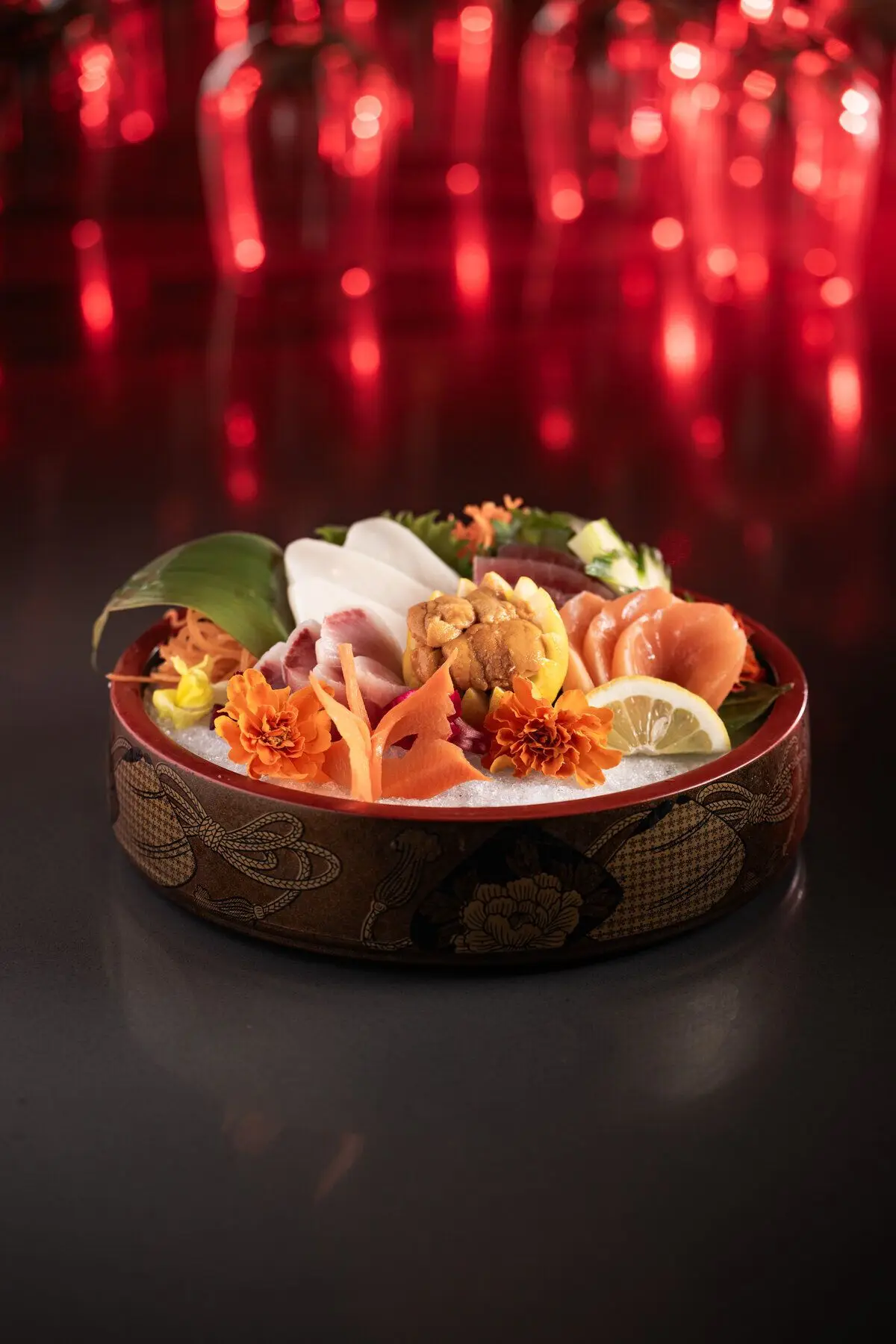
Confused about the difference between sashimi and sushi? While both are iconic Japanese dishes featuring raw fish, they are fundamentally different. Discover what makes each unique, when to order them, and how Jinbeh Japanese Restaurant serves the finest versions of both.
Did You Know?
The traditional sashimi knife, called a 'yanagiba' (柳刃), literally means 'willow blade', a single-beveled blade that can be over 12 inches long. Sushi chefs in Japan train for at least 3 years just to master fish preparation and knife skills before they're allowed to serve customers. Each cut must be precise to preserve texture and flavor.
Source: Japanese Culinary Academy
Quick Comparison
| Aspect | Sashimi | Sushi |
|---|---|---|
| Main Ingredient | Raw fish only | Rice + fish/ingredients |
| Preparation | Sliced thin pieces | Rolled or pressed with rice |
| Typical Serving | 6-12 slices on ice | 6-8 pieces per roll |
| Calories (per serving) | 30-50 cal | 200-300 cal |
| Best For | Pure fish flavor | Complete meal |
| Pairs With | Soy sauce, wasabi | Soy sauce, pickled ginger |
🍣 What is Sashimi?
Sashimi (刺身) literally means "pierced body" in Japanese, referring to the technique of slicing. It represents the purest form of Japanese fish appreciation: premium-quality, sashimi-grade fish sliced into thin, elegant pieces and served without rice.
Key Characteristics
- ✓ Raw, never cooked
- ✓ Sashimi-grade fish
- ✓ Thin, uniform slices
- ✓ Served on ice or daikon
Common Varieties
- ◆ Maguro (bluefin tuna)
- ◆ Sake (salmon)
- ◆ Hamachi (yellowtail)
- ◆ Hotate (scallop)
🍜 What is Sushi?
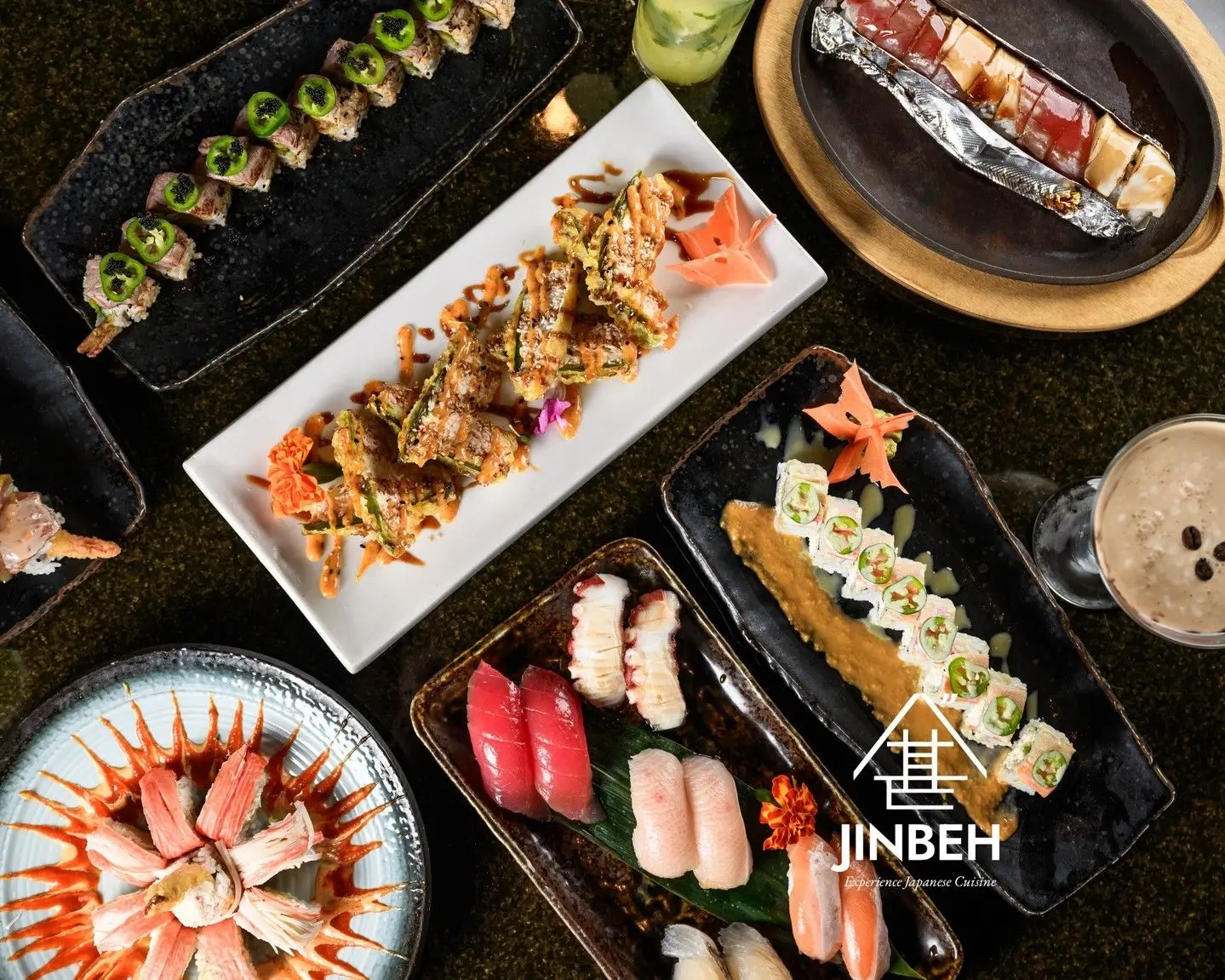
Sushi (寿司) is a complete dish that combines vinegar-seasoned rice with various toppings and fillings. The term encompasses many styles including nigiri, rolls, and hand-pressed varieties. Learn more about the different types of sushi available. The rice is the foundation, not just an accompaniment, to sushi.
Key Characteristics
- ✓ Vinegar-seasoned rice
- ✓ Fish, vegetables, or cooked items
- ✓ Rolled or hand-formed
- ✓ Complete, balanced meal
Popular Styles
- ◆ Nigiri (hand-pressed)
- ◆ Maki (rolled)
- ◆ Uramaki (inside-out)
- ◆ Temaki (hand rolls)
⚡ The Core Difference
The fundamental difference comes down to one ingredient: rice. Sashimi celebrates raw fish in its purest form, no rice, no filler, just premium-quality fish. Sushi, on the other hand, is built around vinegar-seasoned rice that serves as both a base and flavor component.
Think of it this way: All sashimi is raw fish, but not all raw fish is sashimi. And while sushi can include raw fish, it's fundamentally a rice dish. Some sushi uses cooked ingredients like shrimp tempura, imitation crab, or grilled tuna.
🎯 When to Order Each
Order Sashimi If You Want:
- →Pure fish flavor without rice interference
- →Lower calorie option than sushi
- →Lighter meal focused on protein
- →Showcase premium fish quality
- →Appetizer course or pairing with sake
Order Sushi If You Want:
- →Complete, filling meal with rice
- →Variety of flavors and textures
- →Cooked options available (tempura, etc.). Perfect for sushi for beginners
- →Combination flavors in one roll
- →Main course meal satisfaction
🏮 How Jinbeh Serves Both
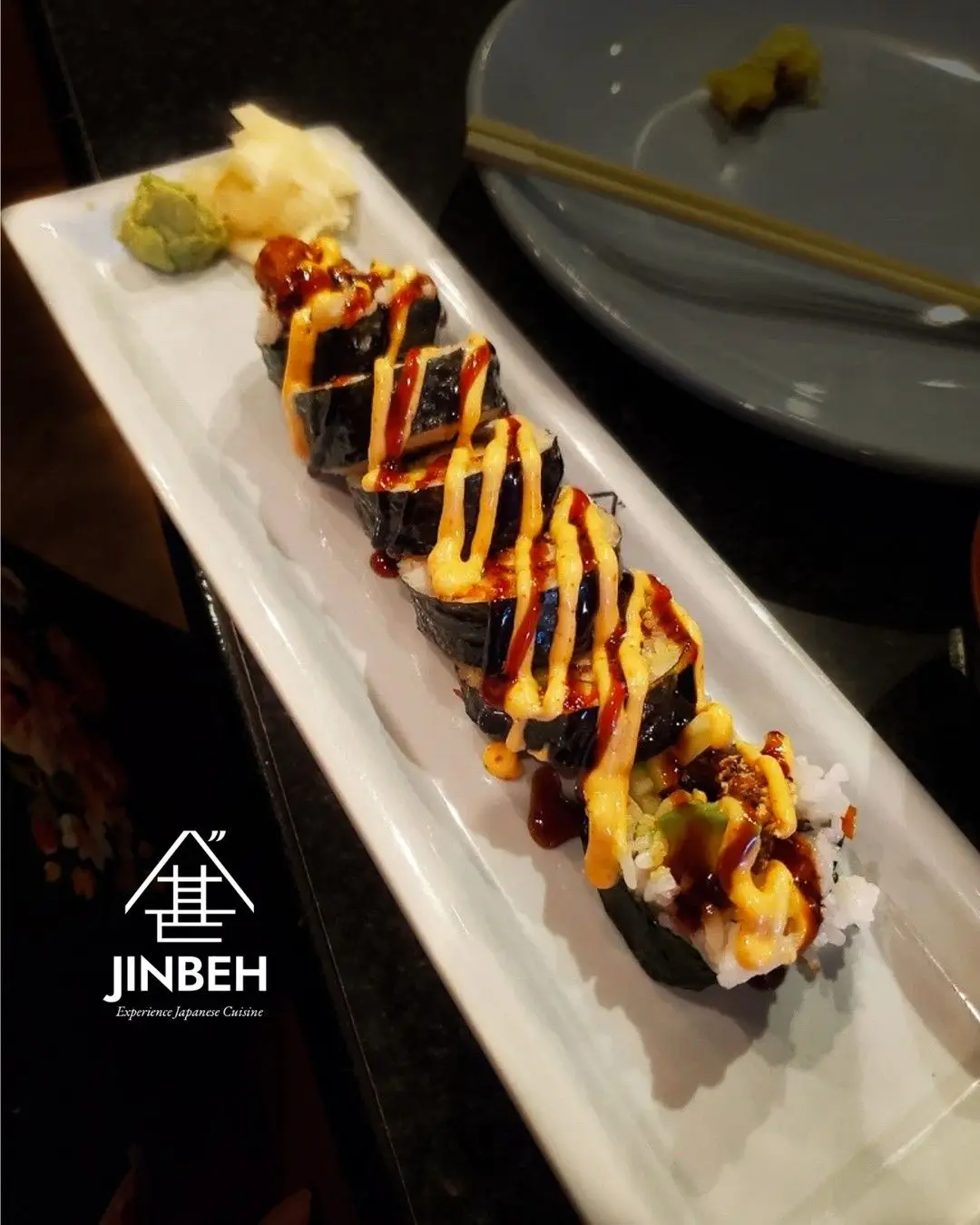
At Jinbeh Japanese Restaurant in our Frisco location and Lewisville location, we specialize in authentic Japanese dining including both premium sashimi and expertly crafted sushi. Our commitment to quality is reflected in every dish.
Premium Sashimi Selection
- ✓Sashimi-grade fish only imported from trusted Japanese suppliers
- ✓Daily fresh deliveries ensure peak quality and flavor
- ✓Expert slicing technique maximizes texture and presentation
- ✓Artful presentation on ice with complementary daikon arrangements
Expertly Crafted Sushi
- ✓Perfectly seasoned rice prepared with traditional vinegar blend
- ✓Creative roll combinations from traditional to signature creations
- ✓Variety of options including raw, cooked, and vegetarian rolls
- ✓Hand-pressed nigiri and specialty maki rolls available
Insider Tip
❓ Frequently Asked Questions
Is sashimi always raw?▼
Can I get sashimi if I'm afraid of raw fish?▼
How much sashimi should I order?▼
What's the best way to eat sashimi?▼
Is sashimi more nutritious than sushi?▼
💪 Health & Nutrition
Sashimi Benefits
- ✓ Pure protein (30-50g per serving)
- ✓ Very low in calories
- ✓ Rich in omega-3 fatty acids
- ✓ No added carbohydrates
- ✓ Contains selenium and iodine
- ✓ Zero artificial ingredients
Sushi Benefits
- ✓ Complete carb + protein combination
- ✓ Sustained energy from rice
- ✓ B vitamins from fish and rice
- ✓ Fiber from nori (seaweed)
- ✓ Minerals from vegetables
- ✓ Satisfying, well-rounded meal
Ready to Experience Both?
Visit Jinbeh Japanese Restaurant and taste the difference between sashimi and sushi made with premium ingredients and authentic techniques. Explore our full menu or make a reservation.