
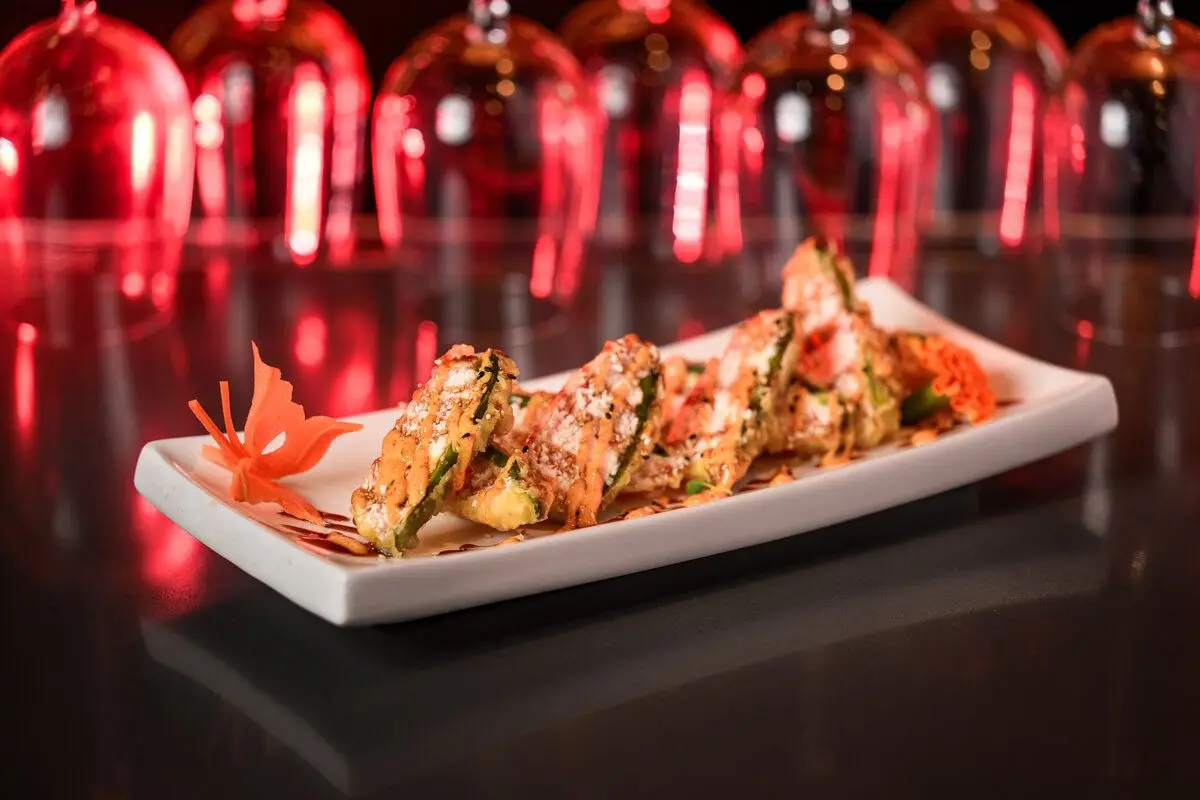
Curious about omakase? You've likely heard the term whispered with reverence at sushi bars, but understanding what it truly means, and what happens during this intimate culinary experience, is where the real magic begins. Omakase isn't just a meal; it's a relationship between you, the chef, and the art of sushi.
"Omakase is trust in its purest form. You're saying to the chef, 'I believe in your judgment, your taste, and your commitment to excellence.' That's why it transforms a meal into an unforgettable experience."
, The Jinbeh Culinary Philosophy🍣 What Does Omakase Mean?
Did You Know?
Omakase dining has exploded in popularity in the U.S., with a 400% increase in omakase-offering restaurants since 2015. The average omakase experience lasts 45-90 minutes and features 12-20 courses. In Japan, master sushi chefs (itamae) typically train for 10+ years before being trusted to lead an omakase service. The tradition of sitting at the sushi bar dates back to Edo-period Tokyo (1603-1868), when street vendors served fresh fish directly to standing customers, the earliest form of omakase.
Source: Japan National Tourism Organization
The word "omakase" (お任せ) translates directly to "I trust you" in Japanese. More specifically, it's the polite form that means "I'll leave it up to you." When you order omakase at a sushi restaurant, you're formally placing your complete trust in the chef to select, prepare, and serve the finest pieces tailored to the day's ingredients and your palate.
This isn't casual dining where you scan a menu and point at what looks good. Omakase is a curated experience, a conversation between chef and diner expressed through the medium of sushi. The chef becomes your guide, your artist, your educator all at once.
📖 The History and Philosophy of Omakase
Omakase emerged in post-World War II Japan, during Tokyo's bustling economic recovery. Street vendors and casual sushi stands served quick, affordable meals to workers. Diners would sit at the counter, and rather than ordering, they'd trust the chef to use the day's best, most economical ingredients, a practical necessity born from scarcity.
Over decades, this practical approach transformed into an art form. As Japan's economy flourished, omakase evolved from necessity to luxury. Today's omakase represents the pinnacle of sushi craftsmanship, where only the freshest, most premium fish and highest skill levels are acceptable.
The philosophy underpinning omakase reflects deeper Japanese values: seasonality (understanding what's best right now), craftsmanship (showing respect through mastery), and hospitality (reading the diner's mood and preferences). It's a reflection of both the chef's expertise and the diner's openness to discovery.
Timing Matters
Each piece is prepared right before you eat it, ensuring optimal temperature and freshness at the moment it touches your lips.
Artisanal Selection
The chef curates a progression, typically 10-20 pieces, starting with delicate flavors and building to richer selections.
Premium Ingredients
Omakase showcases the day's finest fish, often including rare and seasonal varieties not found on regular menus.
Personal Touch
The chef reads you, your reactions, preferences, pace, and adjusts the experience in real-time for maximum enjoyment.
🍽️ What to Expect During Your Omakase Experience
1. Arrival and Seating
You'll typically be seated at the sushi bar, directly in front of the chef. This isn't random, it's intentional. Being face-to-face with the chef is central to the omakase experience. You'll see their precision, watch them work with deliberate care, and build a connection throughout the meal.
2. The Opening Statement
Begin by saying "omakase onegaishimasu" (omakase, please) with a slight bow if you're comfortable. You can also mention any dietary restrictions, allergies, or strong dislikes at this point. A good chef will note these and work within them. Most chefs appreciate knowing if you have preferences for certain fish types.
3. The Progression Begins
The chef will start with lighter, more delicate pieces, perhaps white fish with subtle flavors. Each piece is prepared individually and served immediately. You eat one piece, and while you're savoring it, the next is being prepared. This creates a rhythm, a flow that's both meditative and exciting.
4. The Journey of Flavors
A well-executed omakase follows a flavor arc. You'll typically progress through:
- Light & Delicate: White fish (tai, halibut, squid)
- Medium Flavors: Salmon, yellowtail, scallop
- Rich & Intense: Toro (fatty tuna), uni (sea urchin), otoro
- Special Preparations: Possibly torched, marinated, or cooked pieces
- Finishing Touch: Often tamago (egg) or a lighter piece to cleanse the palate
5. Interaction and Education
Most chefs love to talk about their craft. They'll introduce each piece, tell you where the fish came from, how it was selected, and sometimes offer eating tips. Don't hesitate to ask questions or express appreciation, it creates a richer dialogue and helps the chef understand your interests better.
6. The Closing
After the final piece, you'll often be offered a small palate cleanser (maybe soup or green tea) and sometimes a final sweet touch. The meal usually lasts 45 minutes to an hour, a perfect window where the chef has fully expressed their vision and you've had time to absorb it all.
✨ Omakase Etiquette: How to Show Respect
Golden Rules of Omakase Etiquette
Never let a piece sit. It's prepared to order for maximum quality. Eat it right away.
Lightly dip the fish side (not the rice) into soy sauce. The rice can become mushy if over-dipped.
Both are perfectly acceptable. Using hands is actually traditional and shows you're comfortable with the chef.
Simple 'oishii' (delicious) or 'arigatou' (thank you) shows appreciation and keeps dialogue warm.
Don't ask for substitutions or special orders. That defeats the purpose of omakase.
Omakase isn't rushed. Enjoy each piece, engage with the chef, and let the experience unfold naturally.
What NOT to Do
- ❌ Don't use your phone: Put it away. Omakase is about presence and connection.
- ❌ Don't request changes: Trust the chef's selection. If you have allergies, mention them upfront.
- ❌ Don't waste pieces: Every item is carefully selected. If you can't finish, the chef has failed to read you.
- ❌ Don't over-season: Avoid dumping wasabi or soy sauce on everything. The chef has balanced flavors intentionally.
- ❌ Don't speak loudly: Keep conversation with companions low. Other diners (and chefs) appreciate the calm atmosphere.
💰 Omakase Pricing & What You'll Pay
Omakase pricing varies dramatically based on location, restaurant tier, and ingredient selection:
| Restaurant Tier | Price Range | What to Expect |
|---|---|---|
| Casual/Neighborhood | Fresh fish, competent preparation, good value | |
| Mid-Range | Premium selections, expert chefs, refined experience | |
| High-End | Exceptional ingredients, master-level craftsmanship | |
| Premium/Tokyo-level | + | Rare fish, aged selections, legendary chef reputation |
Most omakase experiences serve 10-20 pieces of nigiri or specialty items, sometimes including items like uni, aged toro, or special seasonal finds. Drinks are typically ordered separately. Always ask about pricing ahead of time or discuss your budget with the chef when ordering.
🏮 The Omakase Spirit at Jinbeh
🏯 The Omakase Experience at Jinbeh
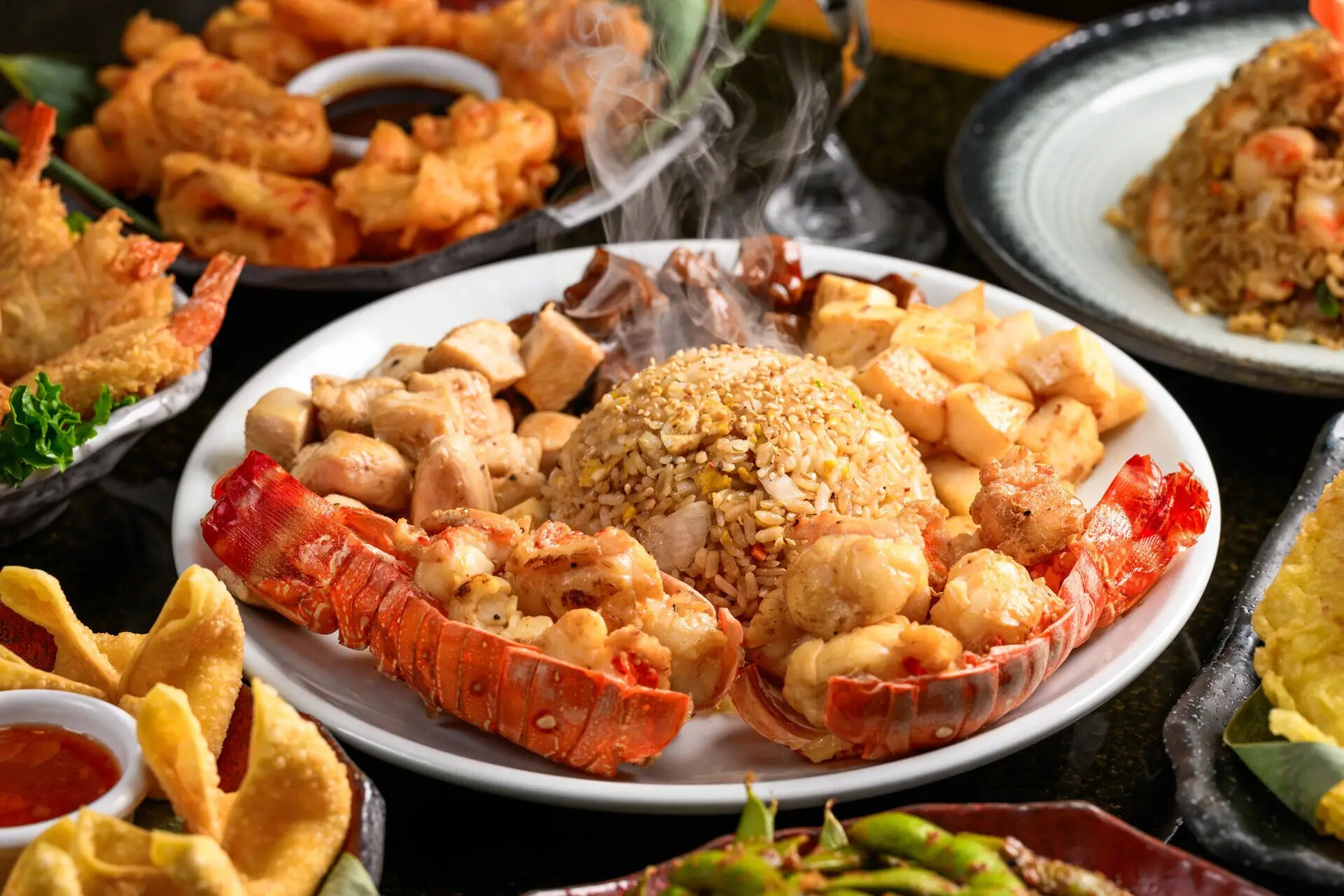
While Jinbeh doesn't offer a formal omakase menu, we embrace the spirit of omakase, trust, exploration, and creativity, in everything we do. Our sushi chefs at the bar regularly encourage guests to try new dishes, explore unfamiliar flavors, and step outside their comfort zone. Just sit at the bar, tell the chef what you like, and let them surprise you.
- ✓Expert chefs with Tokyo training and 30+ years combined experience
- ✓Fresh fish delivered multiple times per week from premium suppliers
- ✓Intimate sushi bar setting with direct chef interaction
- ✓Chefs tailor suggestions to your taste and adventurousness
- ✓Customer-created rolls can become permanent menu items
When Guests Become the Chef: The Dallas Back 9 Roll
At Jinbeh, the omakase spirit goes both ways. Our owner has said:
“If customers can create their own rolls, and if we like it we put it up on the board. And if enough people order it we then transfer it to our permanent menu.”
That's exactly how the Dallas Back 9 Roll was born, shrimp tempura, crab, cream cheese, and jalapeño topped with salmon, guacamole, spicy mayo, and eel sauce. A customer created it, other guests kept ordering it, and it became one of Jinbeh's most popular items.
This collaborative creativity is the essence of the omakase philosophy, a conversation between chef and diner where trust flows in both directions. At Jinbeh, your taste matters, and it might just end up on the menu.
🎯 Tips for Your First Omakase
Before You Go
- Call ahead and mention this is your first omakase. Most chefs will adjust their pace and explain more.
- Discuss budget. A chef can craft an experience within your price range.
- Mention any allergies or strong dislikes upfront. Don't surprise the chef mid-meal.
- Avoid heavy meals beforehand. You want an empty, eager palate.
- Plan for 45-60 minutes. Don't rush. This is an experience, not fast food.
During the Experience
- Engage with the chef. Ask questions. Show interest. It enhances everything.
- Try not to dip everything. Some fish doesn't need soy sauce and will taste better plain.
- Use ginger as a palate cleanser between pieces, not as a topping.
- Eat immediately after each piece is served. Temperature and texture matter enormously.
- Be honest about your reactions. If you love something, say so. If something doesn't work for you, the chef will adjust.
Tipping and Gratitude
Tipping your chef is customary in the US, typically 15-20% of your bill. Some high-end establishments may include a service charge. At the end, a sincere "gochisousama deshita" (thank you for the meal) and a bow if you're comfortable shows deep appreciation and respect for their craft.
❓ Frequently Asked Questions About Omakase
📚 Explore More Sushi Knowledge:
Chef's Pro Tip