
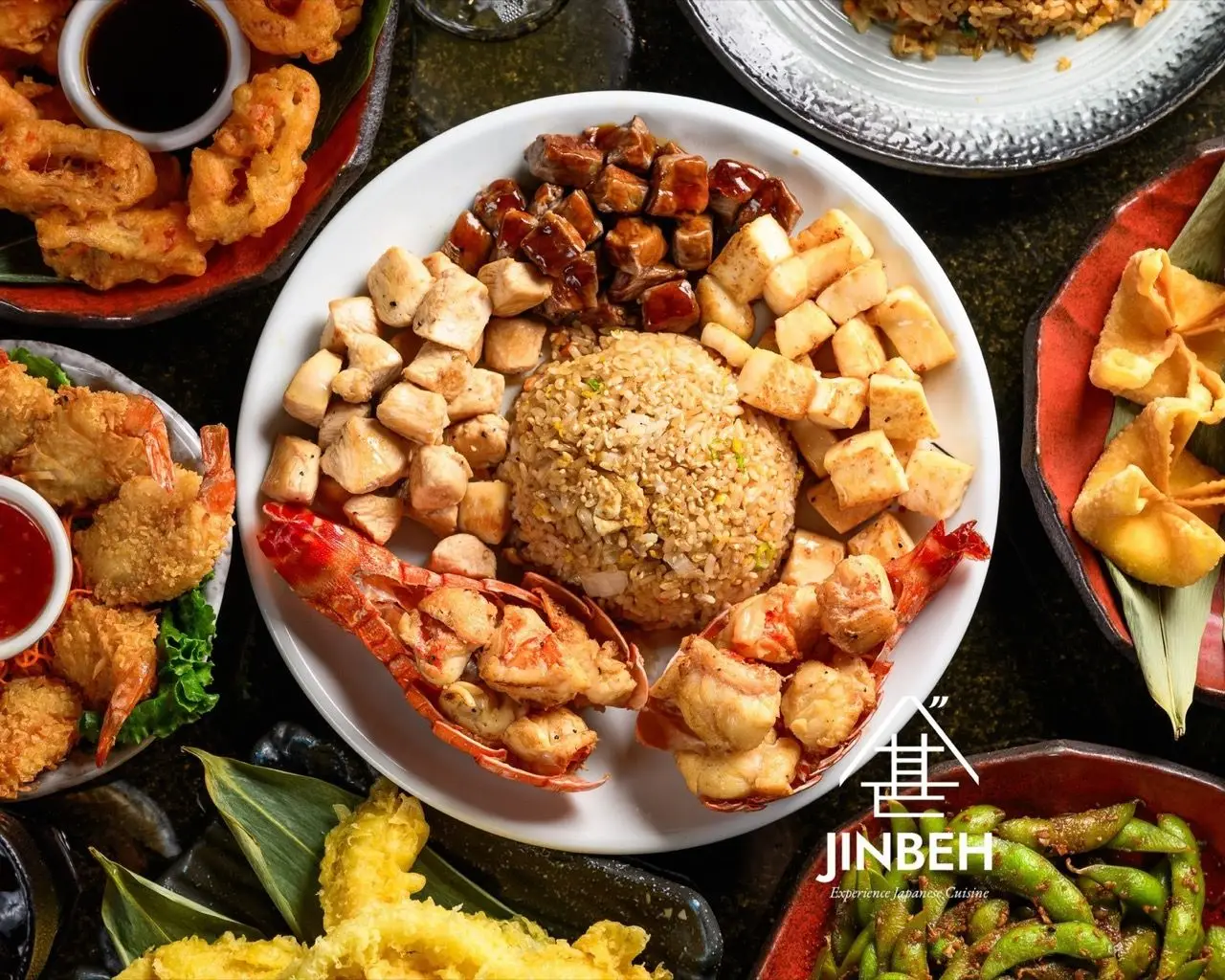
You sit down at a sushi bar, open the menu, and see 30+ items you can't pronounce. Nigiri? Temaki? Uramaki? What's the difference between a California Roll and a Spider Roll? This visual guide makes you fluent in sushi in five minutes.
"Understanding sushi types enhances your dining experience. Each style has its own story, preparation method, and flavor profile. Let's explore the world of sushi together."
, The Jinbeh Team🍱 Understanding Sushi Basics
Did You Know?
The word 'sushi' actually refers to the seasoned rice, not the fish! It comes from an archaic Japanese term meaning 'sour taste,' referencing the vinegar-seasoned rice. There are over 30 distinct types of sushi recognized in Japan, and the average sushi chef in Tokyo uses more than 80 different fish species throughout the year. The California Roll, invented in the 1960s in North America, was the gateway that popularized sushi in the Western world.
Source: Smithsonian National Museum of American History
Before diving into specific types, it's essential to understand what sushi actually is. Traditionally, sushi consists of seasoned sushi rice combined with various ingredients like raw or cooked fish, vegetables, and seafood. The rice is the foundation, seasoned with vinegar, sugar, and salt to create its distinctive flavor. If you're new to this world, our sushi for beginners guide is a great starting point.
🍣 The Complete Sushi Identification Chart
Nigiri Sushi
Nigiri is one of the most traditional forms of sushi. It consists of a small mound of rice topped with a slice of raw fish. The simplicity of nigiri emphasizes the quality of the fish and the precision of the rice preparation. In Japanese culture, the preparation of nigiri is an art form. Sushi chefs, or itamae, undergo years of training to perfect the technique.
Common Nigiri Varieties: Explore more types of sushi and their unique characteristics.
- 🐟 Maguro (Tuna) - Deep red, rich flavor, buttery texture
- 🐠 Sake (Salmon) - Orange-pink, mild and slightly sweet. Discover more about premium salmon sashimi
- ⚪ Ebi (Shrimp) - Sweet, delicate flavor with firm texture
- 🦑 Ika (Squid) - Chewy texture, subtle sweet flavor
- 🌾 Tamago (Egg) - Sweet, fluffy omelet on rice
Sashimi
Sashimi is often mistaken for sushi, but it is actually a distinct dish. It consists of thinly sliced raw fish, served without rice. Learn more about the key differences in our sashimi vs sushi comparison. The art of sashimi lies in the precision of the cut. Chefs use special knives to slice the fish at specific angles, ensuring the perfect thickness and texture. Sashimi is typically served with garnishes like daikon radish and shiso leaves, adding visual appeal and subtle flavor notes.
Maki Rolls
Maki rolls are perhaps the most recognized form of sushi. They are rolled using a bamboo mat (makisu) to combine rice, fillings, and nori (seaweed) into a tight cylindrical form.
Maki Roll Types:
Hosomaki (Thin Rolls)
Hosomaki, or "thin rolls," feature a single filling, allowing the featured ingredient to shine. The nori (seaweed) is on the outside. Examples include cucumber rolls, tuna rolls, and avocado rolls.
Futomaki (Thick Rolls)
Futomaki, or "thick rolls," are larger and contain multiple fillings. These rolls are often vegetarian, featuring pickled vegetables, eggs, and fresh vegetables alongside seasoned rice.
Uramaki (Inside-Out Rolls)
Uramaki, or "inside-out rolls," have rice on the outside, often sprinkled with sesame seeds. The California Roll is the most famous example, created in North America and beloved worldwide.
Temaki (Hand Rolls)
Temaki rolls are cone-shaped seaweed filled with rice, fish, and vegetables. They are best eaten immediately while the nori is still crispy. The casual, interactive nature of hand rolls makes them a fun dining experience.
Specialty & Creative Rolls
Modern sushi chefs have created innovative specialty rolls that go beyond traditional preparations. These rolls often feature cooked ingredients, creative sauce combinations, and artistic presentations.
Popular Specialty Rolls at Jinbeh:
- 🐉 Dragon Roll - Eel, cucumber, avocado with unagi sauce
- 🌈 Rainbow Roll - California roll topped with assorted sashimi
- 🌋 Volcano Roll - Baked spicy crab on California roll
- 🔥 Spicy Tuna Roll - Fresh tuna with spicy mayo
- 🦐 Shrimp Tempura Roll - Crispy shrimp tempura with avocado
| Type | Composition | Best For | Skill Level |
|---|---|---|---|
| Nigiri | Fish on rice | Pure fish flavor | ⭐⭐⭐ Advanced |
| Sashimi | Sliced fish only | Low-carb, purists | ⭐⭐⭐ Advanced |
| Maki Rolls | Rice wrapped in nori | Classic experience | ⭐⭐ Intermediate |
| Temaki | Cone-shaped roll | Interactive eating | ⭐ Beginner |
| Specialty Rolls | Creative combinations | Adventurous palates | ⭐ Beginner |
🍣 Flavor Profiles & Tasting Notes
Raw Fish Options
- Tuna: Rich, robust, clean flavor
- Salmon: Mild, slightly sweet, buttery
- White fish: Delicate, subtle, refreshing
- Yellowtail: Sweet, tender, premium
Cooked Options
- Eel (Unagi): Sweet, smoky, savory
- Shrimp: Sweet, firm, clean
- Scallop: Buttery, delicate, sweet
- Crab: Sweet, tender, luxurious
❓ Frequently Asked Questions
What is the difference between nigiri and sashimi?▼
Nigiri is fish placed on top of seasoned rice, while sashimi is just sliced raw fish without rice. Both showcase fish quality, but nigiri offers the added texture and flavor of rice.
What are maki rolls?▼
Maki rolls are sushi rice and fillings wrapped in seaweed (nori). They come in two main types: hosomaki (thin rolls with one filling) and futomaki (thick rolls with multiple fillings).
What is an uramaki?▼
Uramaki is an inside-out roll where the rice is on the outside and seaweed is on the inside. The California Roll is a famous example.
What is the best sushi for beginners?▼
Beginners often prefer cooked rolls like California Rolls, tempura shrimp rolls, or Philadelphia Rolls. These offer milder flavors and no raw fish.
📚 Explore the Complete Sushi Cluster:
Try Jinbeh's Sushi, Sashimi & Nigiri
Jinbeh has been serving fresh sushi in North Dallas since 1988, and our menu covers the whole spectrum on this chart: classic maki rolls, hand-pressed nigiri, traditional sashimi, and our chef-created specialty rolls. Our sushi chefs co-built the menu over decades of late-night testing, and they cut fish to order for every guest.
A few favorites: the Sunrise Roll, our salmon and bluefin tuna sashimi, fresh salmon and tuna nigiri, and crowd-pleasers like the spicy tuna roll, dragon roll, and rainbow roll. New to sushi? Start with a California or shrimp tempura roll. Sushi purist? Order a sashimi platter and let the fish speak for itself.
Locals consistently rate Jinbeh as one of the best sushi spots in the North Dallas area. Visit our Frisco or Lewisville sushi bar, or browse the full menu before your visit.
Insider Tip